





The AI Agent Harness: Balancing Microsoft Foundry with Our Custom AI Engineering
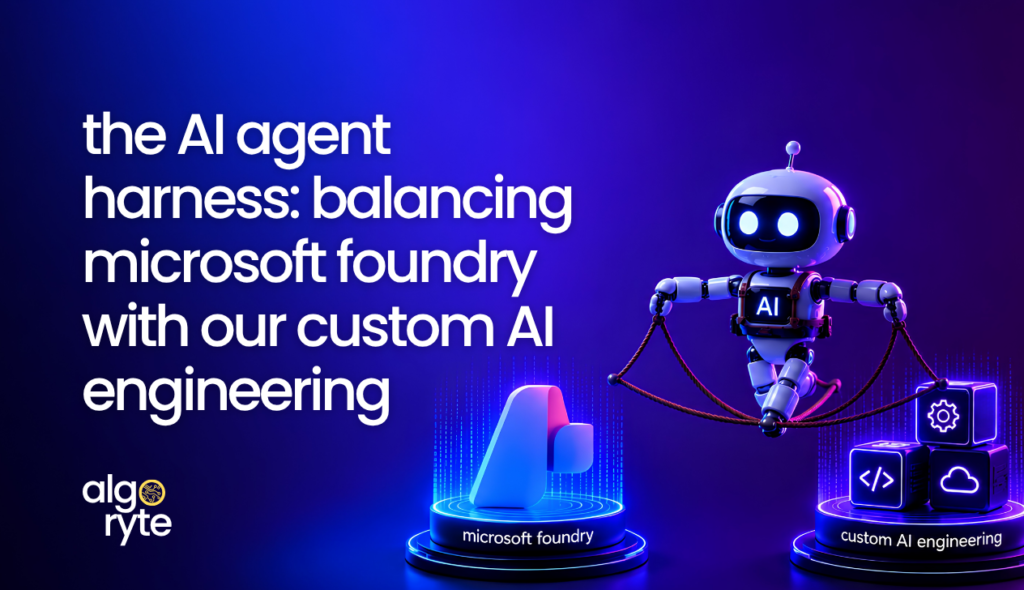
Overview Why Your AI Agents Need A Strong Harness Building enterprise AI agents requires a clear boundary between raw model intelligence and operational architecture. As foundational LLMs rapidly evolve, production reliability ultimately depends on the surrounding harness – the inference, runtime, observability, identity, and context layers. While Microsoft Foundry provides a robust suite for core […]
One System for Different Leaderboards in Our Game
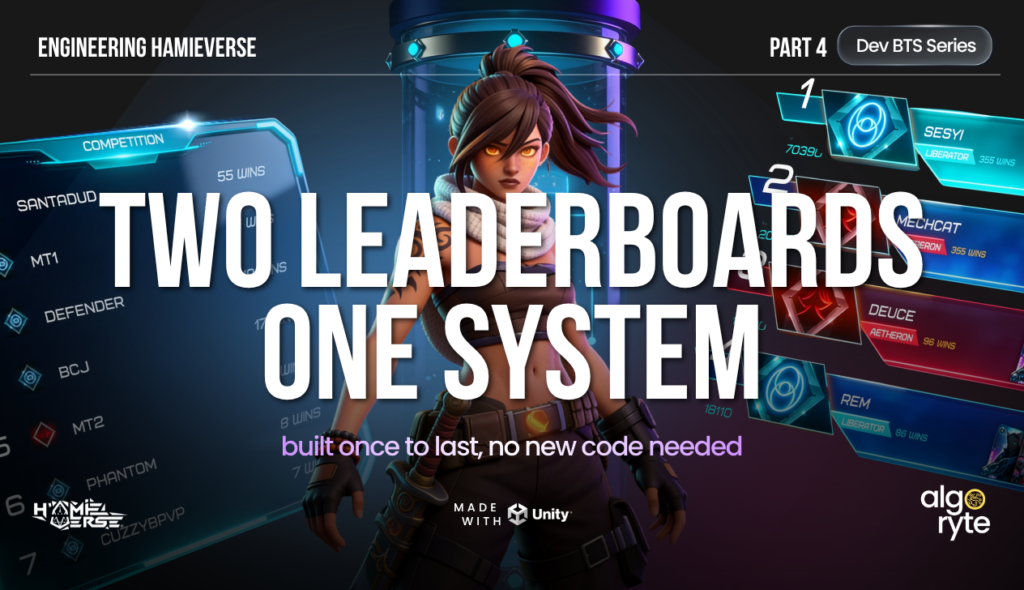
This blog covers how we built two leaderboards with one system in Hamieverse. In Pre-Alpha, Hamieverse’s leaderboard read directly from a single, all-time table — simple, but loading every player’s history at once isn’t convenient. Bounding the Cost As the player base grew, Alpha capped the display to the top 100, which bounded query costs […]
The Database Optimization Strategy Behind Our Game’s Scalability
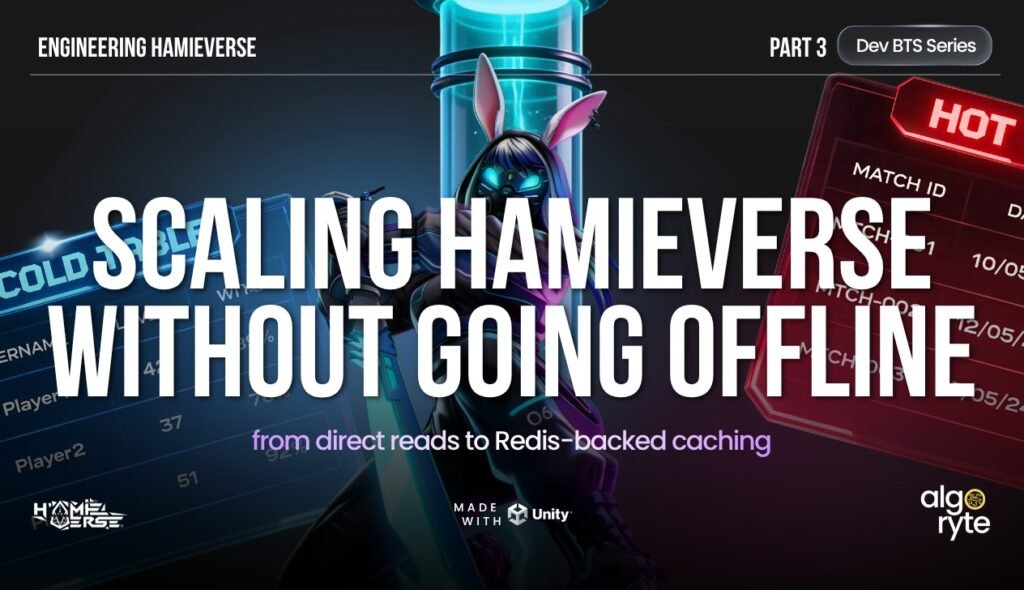
Databases don’t usually get to change shape mid-flight. Hamieverse’s did — twice — without a single player noticing. Starting Simple, On Purpose Pre-Alpha read straight from the database with no caching. It was the right tradeoff for a handful of testers, and it bought us speed when speed was the only thing that mattered. A […]
Prediction Markets & Perps: The Shared Mechanical Spine Reshaping DeFi
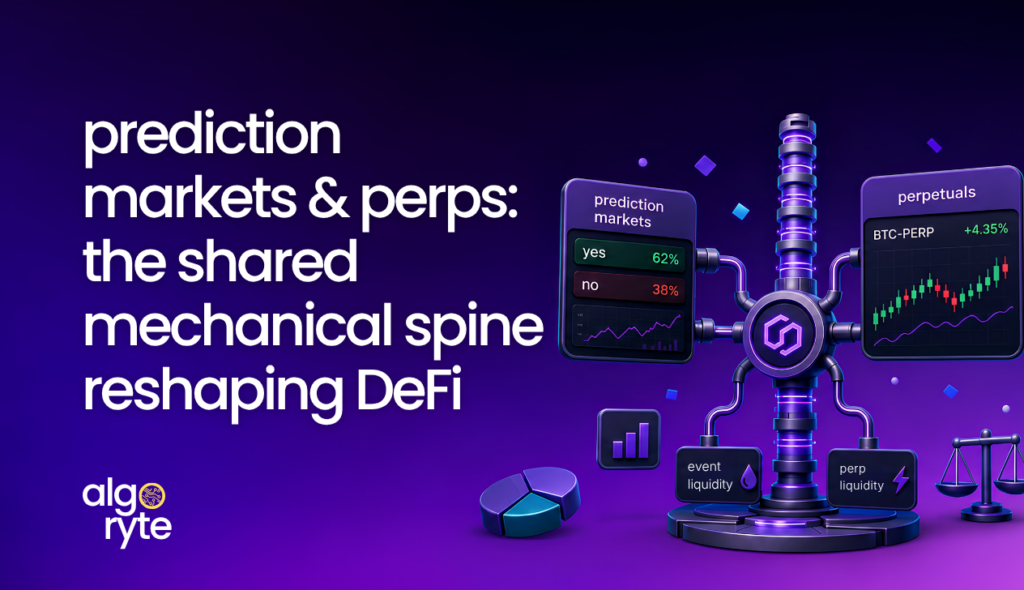
Overview The Core Logic Connecting Prediction Markets to Perps If you have spent time on Polymarket, watching the implied probability of a political race tick up and down, you are already familiar with how a perp trader watches funding rates. Both interfaces show the same thing – a real-time estimate of an outcome, priced by […]
How We Applied Clean Architecture in This Game
Every team building fast makes a decision they know isn’t permanent. Ours was linking Hamieverse’s UI directly to its game logic. A Calculated Shortcut In Pre-Alpha and Alpha, the priority was proving the concept fast. Linking the UI straight to gameplay logic meant no abstraction layer slowing us down, just quick builds and quick player […]
Fast Prototyping Without Sacrificing a Game’s Foundation: Our Approach to Building Hamieverse
When the Hamieverse team came to us, they needed one thing fast: a playable prototype. Wallet sign-in, a card collection, a store, and a leaderboard — enough for players to touch the game and validate the idea. Fast prototyping was the brief. What we built underneath it went further than that. Two Priorities, Running At […]
Why Enterprise AI Agent Deployments Require More Work After Launch Than Before
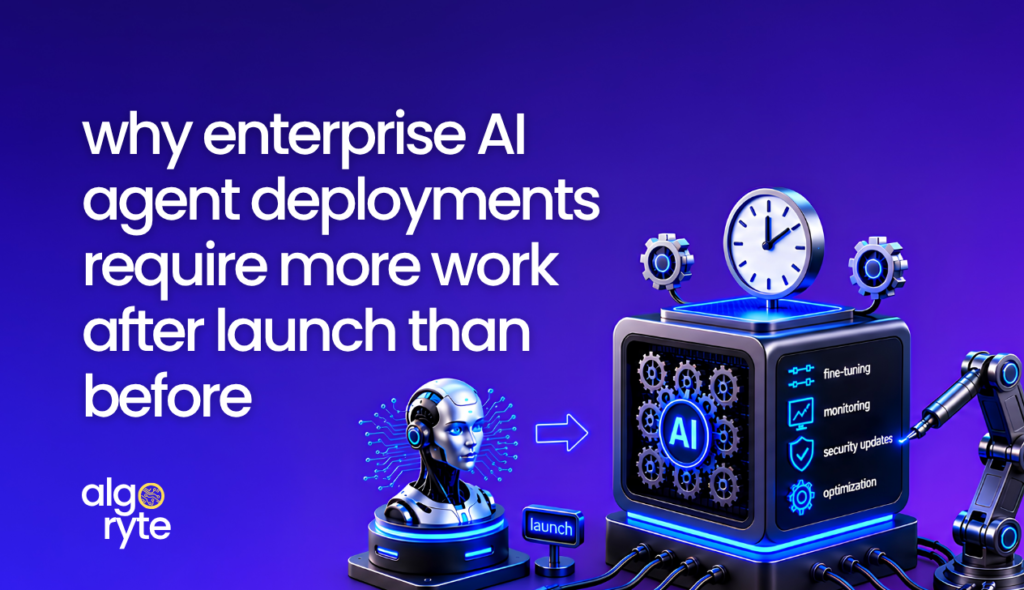
Overview The Gap Between AI Agent Demos & Production While developing a working agent demo is a major milestone, the difficulty shows up later, once the agent meets people who phrase things in ways nobody scripted, raise two unrelated things at once, or expect it to act on their behalf. The distance between a demo […]
DeFi Security with Better Design of Oracles
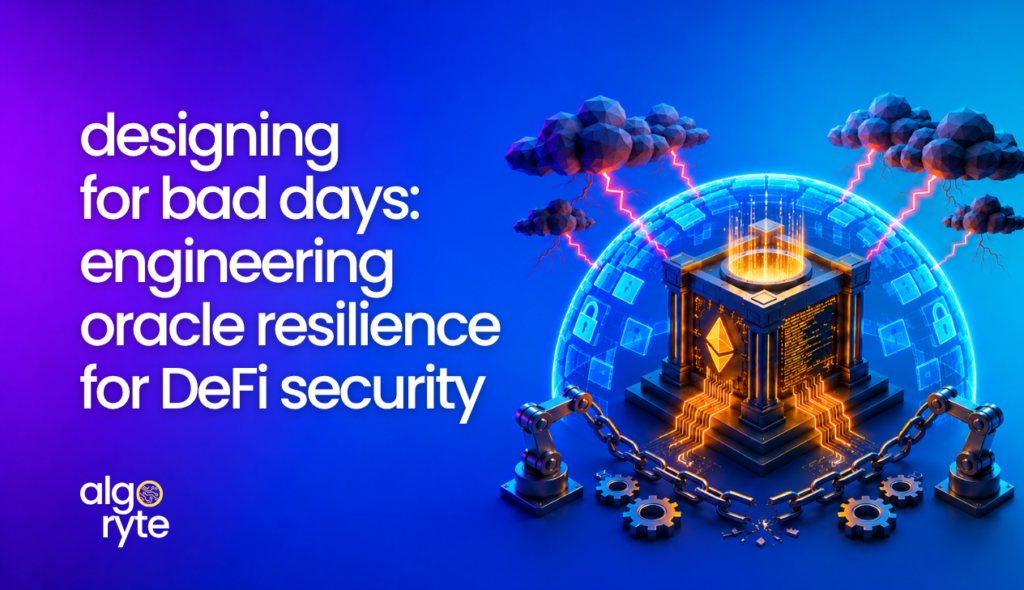
Overview Why DeFi Products Fail Even With a Solid Oracle A team building a perp DEX, or any DeFi product that depends on price data, picks an oracle because every serious protocol uses one. They wire up a single feed, run testnet, and ship. Then the market does something violent at 3 am, a 20% […]
The Blueprint for Enterprise AI Transformation: Model, Data & Infrastructure as One Connected Stack
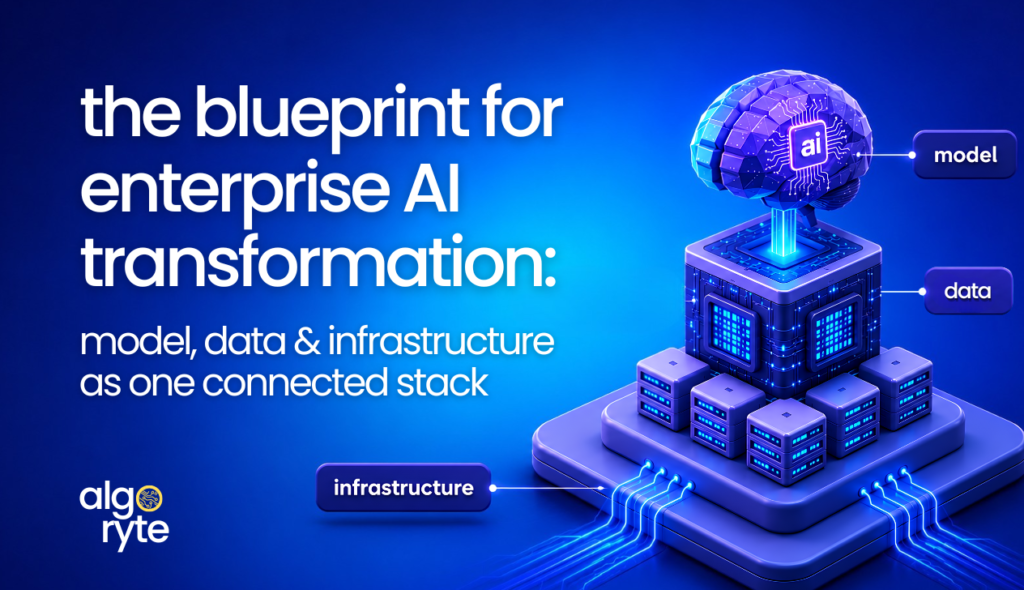
Overview 1. The Model Layer: Strategic Lifecycle Management In a mature AI transformation, model selection is treated as a dynamic, continuous lifecycle rather than a static, one-time decision. How It Works The model layer governs how an AI system processes inputs and generates intelligent responses. Instead of relying on a single, massive general model forever, […]
Are You Using the Right AI Model or Just the Most Popular One?
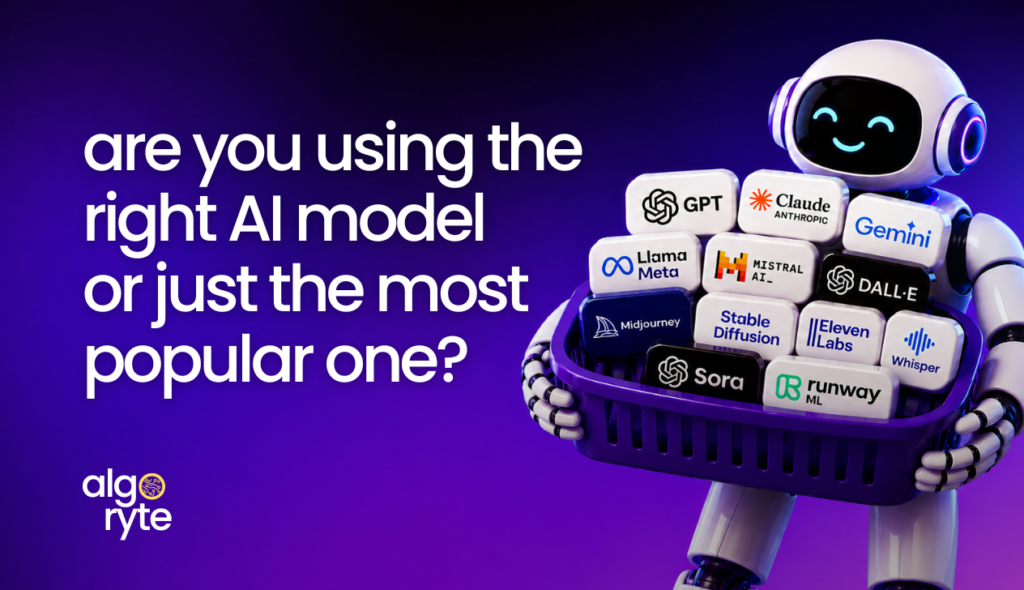
Overview The “which AI should we use?” Question is the Wrong One Most teams in 2026 ask which AI model to use before answering what the model is actually for. Sometimes that means a frontier model burning token costs on a task that a smaller, fine-tuned one could handle for a tenth of the price. […]