



Overview
- Platform-agnostic and cross-platform games are designed to run seamlessly across multiple devices and operating systems, allowing players to enjoy a consistent gaming experience whether on mobile, PC, console, tablet, or VR.
- This approach broadens game accessibility while reducing development costs and fragmentation, enabling cross-play and synchronized progress across diverse platforms.
Introduction
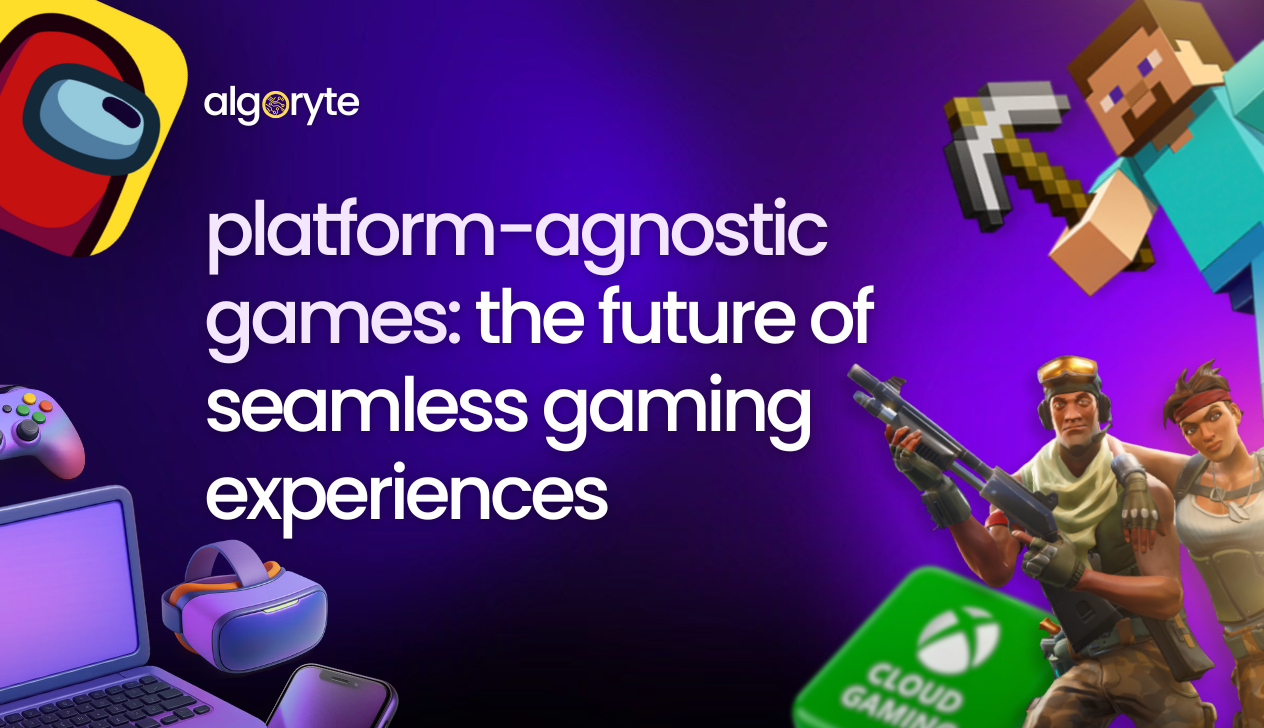
In today’s rapidly evolving gaming landscape, platform-agnostic and cross-platform games are emerging as a transformative trend that promises to revolutionize how players access and enjoy digital games. These are games designed and developed to run smoothly across diverse video game platforms – whether it’s mobile phones, PCs, VR headsets, or consoles, without compromising on performance, visuals, or gameplay quality.
What Are Cross-Platform Games?
Cross-platform games are created with the flexibility to function seamlessly across multiple device types and operating systems, allowing players to jump into the same game environment regardless of the hardware they own. Unlike traditional games that are often tied to a specific platform like PlayStation or iOS, cross-platform games emphasize cross-device compatibility and a consistent user experience.
Why Platform-Agnosticism/Cross-Platform Gaming Matters
1. Broader Reach & Inclusivity
By being accessible on multiple devices, ranging from smartphones to VR headsets, cross-platform games significantly broaden potential audience reach. Players are no longer restricted by device limitations, enabling friends across different platforms to play together, fostering community and social engagement.
2. Consistent Player Experience
Regardless of the device, cross-platform games maintain core gameplay mechanics, story elements, and visual fidelity. This consistency supports uninterrupted play sessions when users switch devices, for example, continuing progress started on mobile later on a console or PC.
3. Lower Development Barriers
Developers benefit from streamlined production pipelines by building games that support multiple platforms from the outset, minimizing the need for costly porting and separate updates across different ecosystems.
Key Technologies Enabling Platform-Agnosticism/Cross-Platform Gaming
- Cloud Gaming: Platforms like NVIDIA GeForce Now, Xbox Cloud Gaming, and Google Stadia allow hardware-independent game streaming, letting users play high-end games on low-spec devices through internet streaming.
- Cross-Platform Engines: Tools like Unity Engine and Unreal Engine support development across mobile, PC, consoles, and VR, with adaptable graphics settings and input methods.
- Progressive Web Apps (PWA): Browser-based games that run seamlessly without installation and are playable on any device with internet access represent a lightweight platform-agnostic approach.
Challenges to Overcome
- Input Device Variability: Designing intuitive controls for different peripherals (touchscreens, controllers, keyboards, VR motion sensors) within the same game requires sophisticated UI/UX considerations.
- Performance Optimization: Balancing graphics quality and performance on varied hardware environments remains a technical challenge needing adaptive rendering techniques and scalable assets.
- Data Synchronization: Ensuring cloud saves, achievements, and multiplayer progress stay up-to-date across platforms demands robust backend infrastructure.
Examples of Cross-Platform Games
- Fortnite: Famous for its cross-play between consoles, PC, and mobile devices, Fortnite exemplifies platform-agnosticism, allowing millions of players to connect regardless of their hardware choice.
- Minecraft: Another iconic example, Minecraft supports editing and gameplay across devices ranging from phones to powerhouse gaming PCs, integrating synchronized player progress.
- Among Us: This social deduction game runs smoothly on various devices and platforms, enabling players on different hardware to interact in the same game space.
The Future of Gaming – Platform-Agnostic/Cross-Platform Games
As technology advances and gaming ecosystems become more interconnected, platform-agnostic and cross-platform games are poised to dominate. They empower players to experience games on their own terms – wherever and however they want. For developers and publishers, embracing this approach means tapping into larger markets and delivering player-first experiences that transcend traditional platform boundaries.
FAQs
1. What does cross-platform mean in gaming?
It means that a game can be played on different devices and operating systems without platform-specific limitations.
2. How do cross-platform games benefit players?
Players can enjoy the same game experience on any device and switch between platforms without losing progress.
3. Are cross-platform games easier to develop?
They require careful architecture and optimization, but can reduce long-term costs by avoiding multiple platform-specific versions.
4. Can cross-platform games support cross-play?
Yes, these games allow players on different devices to play together in the same game environment.
5. What technologies enable cross-platform gaming?
Cloud gaming, cross-platform engines like Unity and Unreal, and progressive web apps are common enablers.