


The immersive technology landscape is evolving rapidly, transforming how businesses interact with customers, employees, and digital environments. From gaming and education to healthcare and enterprise training, immersive solutions are redefining digital experiences. However, many people still confuse the terms VR, AR, and XR.
Understanding the differences between VR development, AR development, and XR development is essential for businesses planning to invest in immersive technologies. In this comprehensive guide by Algoryte, we break down what each technology means, how they differ, and how businesses can leverage them effectively.
What is Virtual Reality (VR)?
Definition
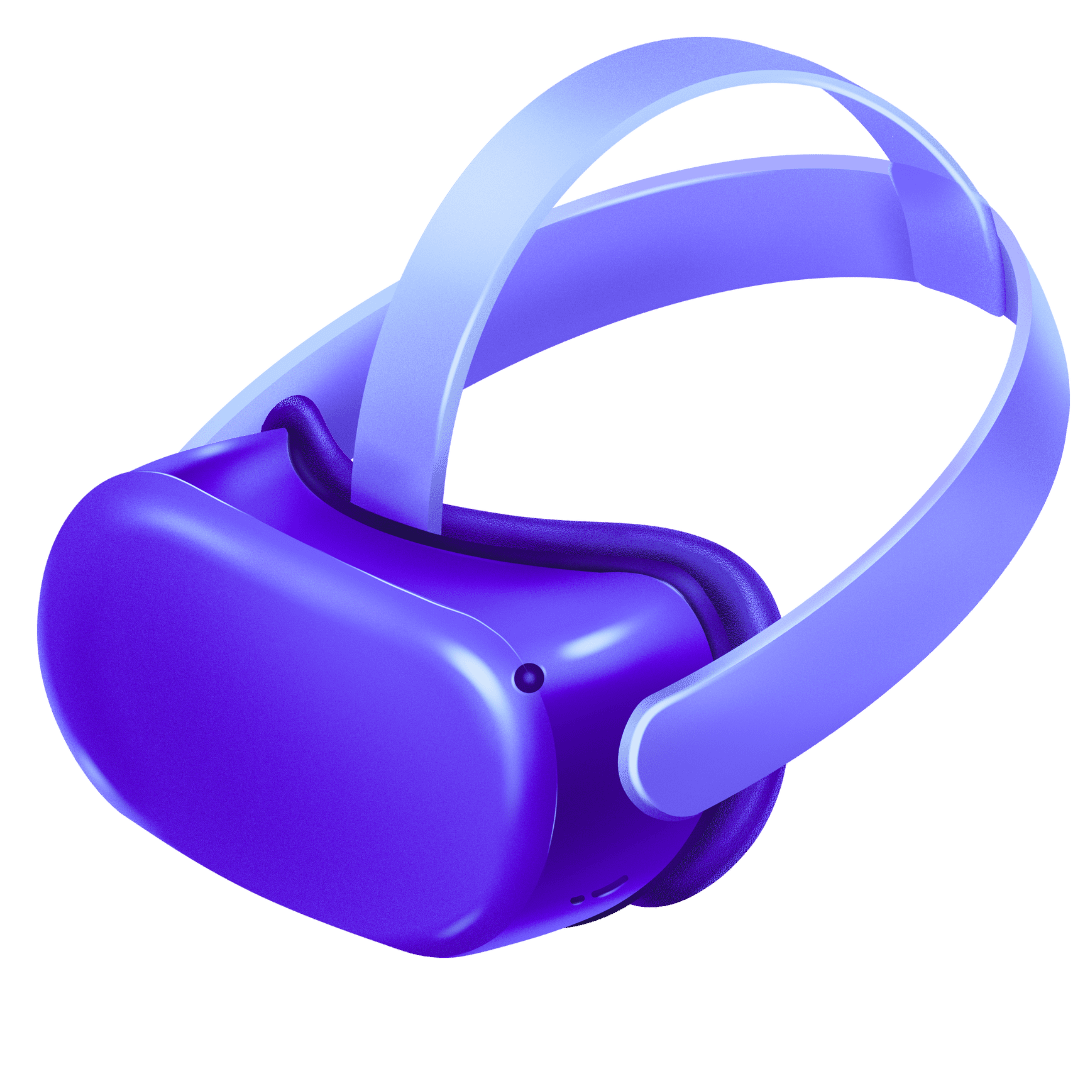
Virtual Reality (VR) is a fully immersive digital experience that replaces the user’s real-world surroundings with a simulated environment. Users typically wear VR headsets to enter these virtual worlds.
How VR Works
VR systems use:
- Head-mounted displays (HMDs)
- Motion tracking sensors
- Hand controllers
- Spatial audio
The technology blocks out the physical world and immerses the user in a completely digital space.
VR Development Explained
VR development involves designing and building immersive virtual environments using tools like game engines (Unity, Unreal Engine), 3D modeling software, and interactive design frameworks.
Key elements of VR development:
- 3D environment creation
- Real-time rendering
- Motion tracking integration
- User interaction systems
- Performance optimization
Business Applications of VR Development
- Virtual training simulations
- Gaming experiences
- Real estate walkthroughs
- Healthcare simulations
- Virtual tourism
VR is particularly powerful when total immersion is required.
What is Augmented Reality (AR)?
Definition
Augmented Reality (AR) enhances the real world by overlaying digital elements such as images, text, or animations onto the physical environment.
Unlike VR, AR does not replace reality — it enhances it.
How AR Works
AR typically uses:
- Smartphones or tablets
- AR glasses
- Camera-based tracking
- GPS and sensors
The camera detects the environment, and digital objects are placed within it in real time.
AR Development Explained
AR development focuses on creating interactive digital overlays that integrate seamlessly into real-world settings.
Core components of AR development:
- Object recognition
- Surface detection
- 3D modeling
- Real-time rendering
- Mobile optimization
Business Applications of AR Development
- E-commerce product visualization
- Interactive marketing campaigns
- Educational apps
- Navigation tools
- Maintenance and repair guidance
AR is ideal when businesses want to enhance user experiences without isolating them from their environment.
What is Extended Reality (XR)?
Definition
Extended Reality (XR) is an umbrella term that includes VR, AR, and Mixed Reality (MR). It represents the full spectrum of immersive technologies that blend physical and digital worlds.
XR development integrates multiple immersive technologies to create hybrid experiences.
XR Development Explained
XR development combines elements of both VR and AR to create advanced, interactive environments.
It includes:
- Mixed Reality experiences
- Multi-device compatibility
- Cloud integration
- AI-driven interactions
- Cross-platform immersive systems
XR solutions are particularly valuable for enterprises seeking scalable immersive ecosystems.
Business Applications of XR Development
- Industrial simulations
- Smart manufacturing
- Remote collaboration
- Immersive training platforms
- Healthcare innovation
XR enables businesses to create adaptable, future-proof immersive environments.
VR vs AR vs XR: Key Differences
| Feature | VR Development | AR Development | XR Development |
|---|---|---|---|
| Environment | Fully virtual | Real-world enhanced | Combination of both |
| Hardware | VR headsets | Smartphones, AR glasses | Multiple devices |
| Immersion Level | High | Moderate | Variable |
| Business Use | Simulation & gaming | Marketing & visualization | Enterprise ecosystems |
| User Experience | Isolated immersion | Real-world interaction | Hybrid experience |
Choosing the Right Technology for Your Business
Choose VR Development If:
- You need full immersion.
- You want realistic training simulations.
- You are building advanced gaming experiences.
Choose AR Development If:
- You want to enhance customer engagement.
- You are in retail or e-commerce.
- You want cost-effective mobile solutions.
Choose XR Development If:
- You need scalable enterprise solutions.
- You want cross-device immersive systems.
- You aim for long-term digital transformation.
At Algoryte, we help businesses evaluate their goals before selecting the right immersive technology.
Why Businesses Are Investing in VR, AR, and XR
- Improved engagement rates
- Enhanced learning retention
- Reduced training costs
- Competitive advantage
- Increased customer interaction
The immersive technology market is growing rapidly, and early adopters are gaining strong market positioning.
Technical Considerations in VR, AR, and XR Development
When planning immersive solutions, consider:
- Hardware compatibility
- Performance optimization
- Cross-platform scalability
- Security and data protection
- User experience design
Professional VR development, AR development, and XR development require strong technical architecture and creative expertise.
The Future of Immersive Development
The future lies in:
- AI-powered immersive experiences
- 5G-enhanced real-time rendering
- Cloud-based XR platforms
- Enterprise metaverse integration
- Advanced wearable devices
Businesses that start investing now will be ahead in the immersive economy.
Why Choose Algoryte for Immersive Solutions?
Algoryte is a forward-thinking technology partner specializing in:
- Custom VR development
- Scalable AR development
- Enterprise-grade XR development
- Blockchain-integrated immersive platforms
- Web3-ready interactive ecosystems
Our team combines innovation, design, and performance optimization to deliver impactful immersive experiences.
Whether you’re building a next-generation game, enterprise training module, or interactive retail platform, Algoryte provides tailored immersive solutions aligned with your business goals.
Final Thoughts
Understanding the difference between VR, AR, and XR is essential before investing in immersive technology.
- VR development creates fully immersive digital worlds.
- AR development enhances real-world experiences with digital overlays.
- XR development unifies immersive technologies into scalable ecosystems.
Each has unique advantages, and the right choice depends on your business objectives.
At Algoryte, we help businesses turn immersive ideas into powerful digital realities.