


Introduction: The Allure of RPG Weapons
In the game development industry, few elements captivate players as much as magical weapons in RPGs. A well-designed weapon is more than a tool for battle—it’s a storytelling device, a symbol of a character’s journey, and a centerpiece of immersive gameplay. For studios and developers, understanding RPG weapon design is crucial for creating unforgettable fantasy experiences.
At Algoryte, we’ve worked with top-tier Game Development companies and provided Game Development services that bring imaginative RPG worlds to life. In this guide, we’ll explore the art and mechanics of fantasy RPG armament, from conceptualization to execution, and highlight some of the top RPG weapons that have left lasting impressions on players.
The Role of Weapons in RPGs
Weapons in RPGs are not just instruments of combat—they are extensions of the player’s identity. They can:
- Define a character’s style and abilities
- Influence gameplay strategies and progression
- Enhance immersion and emotional connection
- Serve as storytelling elements through lore, design, and history
Whether it’s a fiery sword imbued with ancient magic or a bow that strikes from the shadows, each weapon contributes to world-building and player engagement.
Core Principles of RPG Weapon Design
1. Visual Identity
The first step in RPG weapon design is crafting a strong visual identity. A weapon should be instantly recognizable and reflect the fantasy world it belongs to. Consider:
- Silhouette: Can players identify the weapon from a distance?
- Color Palette: Does it match the character, environment, or magical elements?
- Materials and Details: Metals, gemstones, runes, and magical effects tell a story without words.
2. Gameplay Functionality
A weapon must balance aesthetics with mechanics. Key considerations include:
- Attack Range: Melee, ranged, or hybrid?
- Damage Type: Physical, magical, elemental, or hybrid?
- Special Abilities: Unique effects like lifesteal, area-of-effect spells, or status debuffs.
This balance ensures the weapon is both exciting and fair, enhancing the overall RPG experience.
3. Lore and Storytelling
Integrating fantasy RPG armament into the game’s lore deepens player engagement. Weapons can carry historical significance, unlock hidden quests, or symbolize milestones in a character’s journey. A sword once wielded by a legendary hero, for instance, can inspire awe and curiosity.
4. Progression and Customization
Players love evolving their arsenal. Offering upgrade paths, enchantments, and customization options creates a sense of ownership. Examples include:
- Leveling a weapon to increase stats
- Adding magical gems for special effects
- Changing appearances to reflect the player’s achievements
Top RPG Weapons: Inspiration for Developers
Studying iconic top RPG weapons can inspire your RPG weapon design. Some examples include:
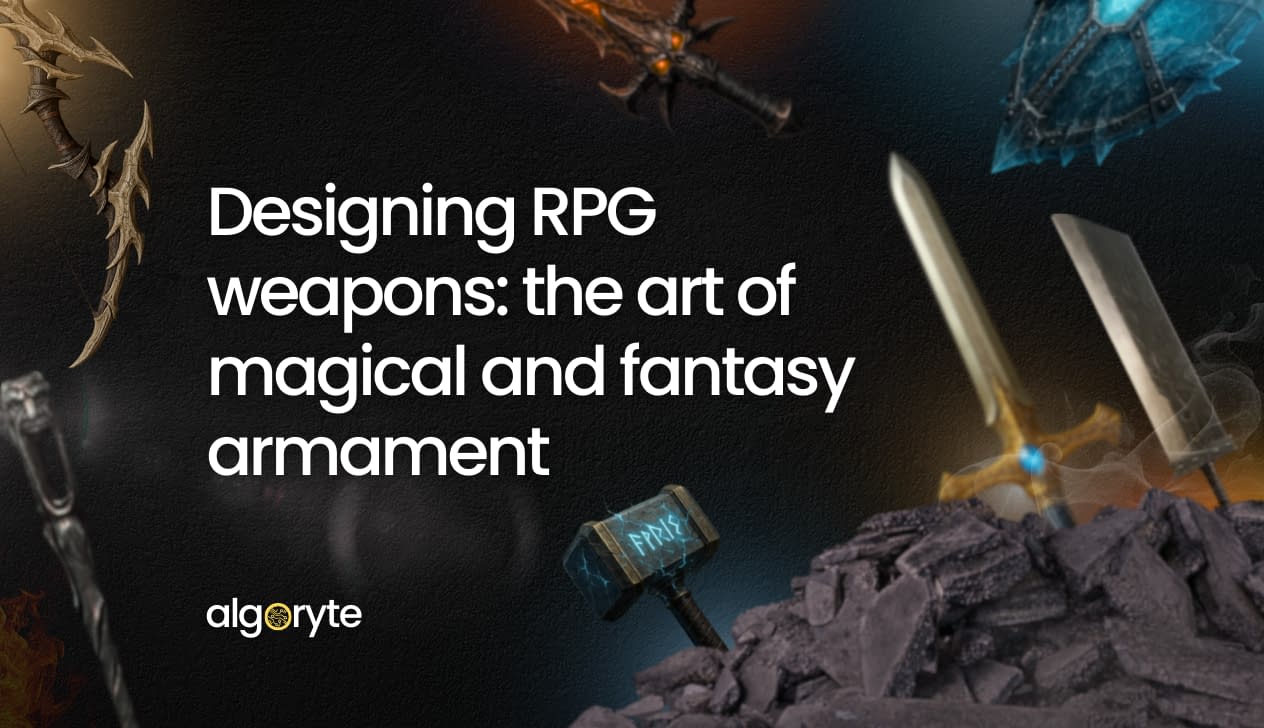
- Excalibur (Various Fantasy RPGs): Legendary sword with historical and magical significance.
- Buster Sword (Final Fantasy VII): Massive, visually striking weapon emphasizing character strength.
- Dragonbone Bow (The Elder Scrolls V): Lightweight, high-damage ranged weapon with thematic design.
- Wabbajack (Skyrim): Magical staff introducing unpredictability and fun mechanics.
Each weapon combines aesthetic appeal, gameplay functionality, and storytelling elements, demonstrating how weapons become integral to a game’s identity.
Magical Elements in Weapon Design
Incorporating magic transforms ordinary weapons into memorable magical weapons in RPGs. Techniques include:
- Elemental Affinities: Fire, ice, lightning, or shadow effects that influence combat strategy.
- Enchanted Visuals: Glow, particle effects, or aura to communicate magical power.
- Interactive Abilities: Spells triggered on attack or combo moves for tactical depth.
For developers, blending magical fantasy armament with gameplay ensures that weapons feel alive and rewarding.
2D and 3D Art Considerations
Whether your RPG uses 2D or 3D art, weapon design must align with the game’s visual style:
- 2D Art: Focus on clear silhouettes, exaggerated proportions, and readable shapes for pixel or hand-drawn games.
- 3D Art: Prioritize realistic textures, dynamic lighting, and animation that enhances immersion.
At Algoryte, we’ve helped studios create visually striking weapons that match their game’s art direction and design philosophy, ensuring every weapon looks and feels unique.
Collaboration Between Developers and Artists
Effective RPG weapon design requires close collaboration between:
- Game Designers: Define mechanics, stats, and progression.
- Artists: Translate concepts into visually stunning assets.
- Programmers: Implement weapon behavior, physics, and interactions.
- Writers: Add lore, history, and narrative significance.
This synergy ensures that weapons are functional, beautiful, and narratively engaging—a hallmark of top Game Development services.
Testing and Balancing Weapons
Balancing is critical for maintaining fun and fairness:
- Playtesting: Identify overpowered or underpowered weapons.
- Feedback Loops: Gather player insights to refine mechanics.
- Iterative Design: Adjust stats, visuals, or effects based on testing outcomes.
Balanced weapons enhance player satisfaction and prevent frustration, making your RPG more successful in the competitive game development industry.
Trends in RPG Weapon Design
Modern RPG weapon design trends include:
- Procedurally Generated Weapons: Unique attributes for each player.
- Cosmetic Customization: Skins, colors, and particle effects.
- Hybrid Weapons: Combining melee and magic for versatility.
- Lore Integration: Weapons tied directly to quests or character arcs.
Keeping up with these trends ensures your RPG stays fresh, engaging, and aligned with player expectations.
Conclusion: Crafting Memorable RPG Weapons
Designing magical weapons in RPGs is both an art and a science. From concept to implementation, developers must consider aesthetics, mechanics, and storytelling. By integrating lore, gameplay functionality, and customization options, fantasy RPG armament becomes a core part of the player experience.
At Algoryte, our Game Development services help studios bring these weapons to life, ensuring they are not only visually stunning but also mechanically engaging. Whether you’re crafting a legendary sword, a mystical staff, or a powerful bow, understanding the principles of RPG weapon design is essential for creating memorable adventures that players will cherish.
Embrace the art of magical and fantasy armament, and elevate your RPG worlds to legendary status.