

game worlds that
work as hard
as your gameplay
does
Get engine-ready game environments with modular asset kits, clean scene structure, and performance-tuned lighting from Algoryte – built for high FPS and fast loading on PC, console, mobile, and VR.
immersive, thematic game
worlds designed for
playability
game world design
services
At Algoryte, we understand that your game’s world-building is as important as its game mechanics and narrative – a non-negotiable component for the game’s story to take root. As one of the agencies providing game world art and asset creation services, every corridor, landscape, and interior we design serves a dual purpose – creating spaces that feel purposeful and cohesive while supporting the game mechanics.
Across any genre, platform combination, or player mode – our environment artists create worlds that enhance gameplay and emotional impact. We optimize for your engine, ensure environments run smoothly on each platform, and integrate smoothly into your pipeline – balancing creative vision with technical constraints to deliver environments that look distinctive and run reliably across all target hardware.
our game world design
services
concept art
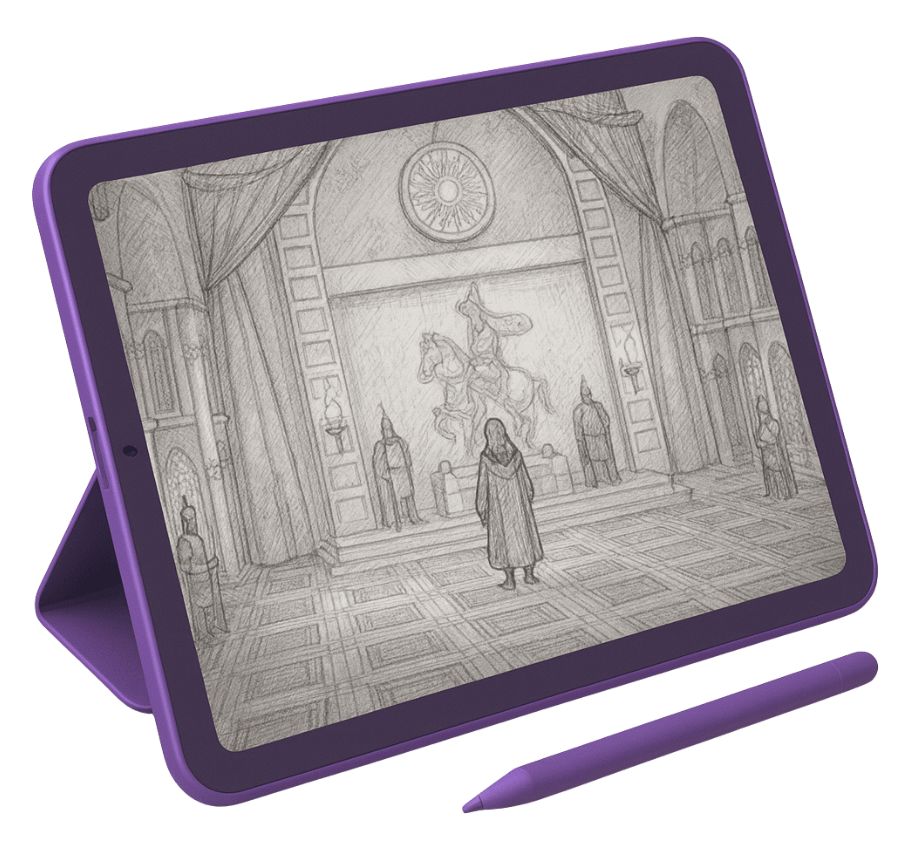
Define your world’s visual language and how its spaces connect and flow around your game’s genre, art style, and intended player journey before production begins. Our environment concept artists explore architectural styles, visual hierarchy, color schemes, lighting moods, and compositional layouts through sketches and paintings – establishing the design principles that guide all asset creation.

level design
Design spaces that guide player movement, support gameplay mechanics, and maintain engagement through intentional layouts. Our level designers collaborate with environment artists to plan flow, sightlines, encounter zones, and pacing – ensuring environments serve both narrative and gameplay needs with clear wayfinding and LOD optimization in visually complex or distant areas, so performance stays stable across all platforms.
2D environment
design
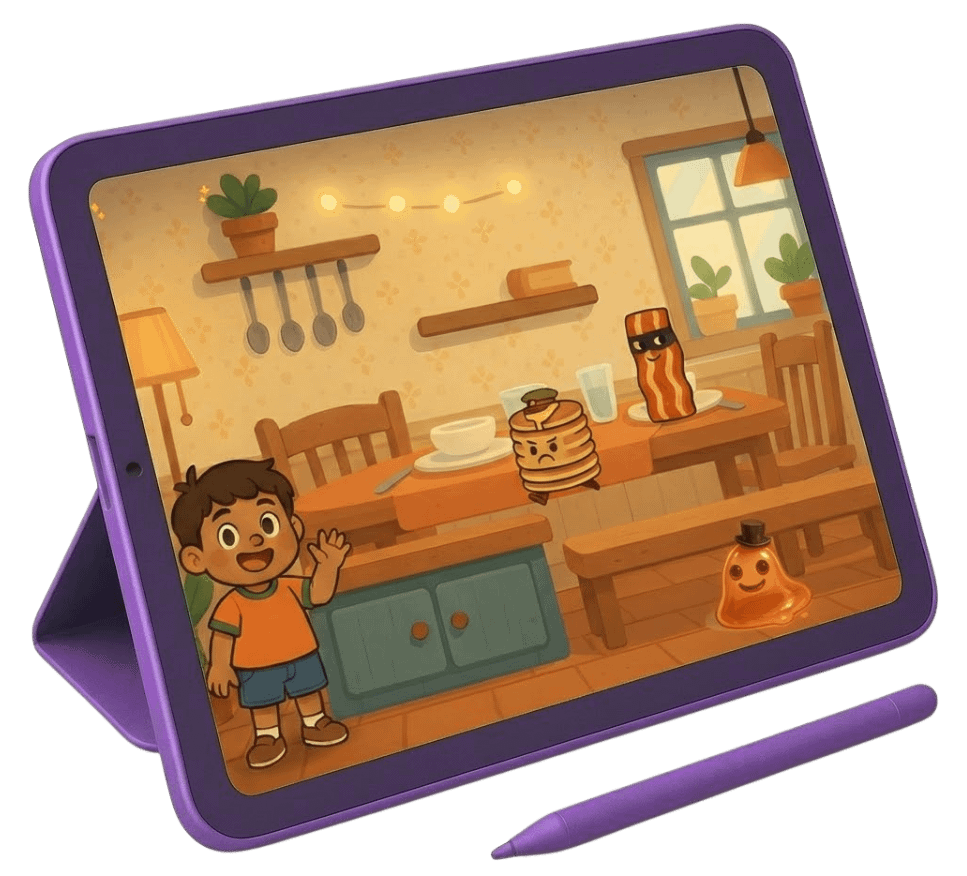
Establish a compelling atmosphere and visual depth through layered 2D environments that feel alive and grounded. Our 2D environment artists construct parallax backgrounds, mid-ground elements, and foreground details with clear depth separation – ensuring smooth scrolling performance and clean gameplay readability while keeping a cohesive art style across all scenes.
3D environment
design
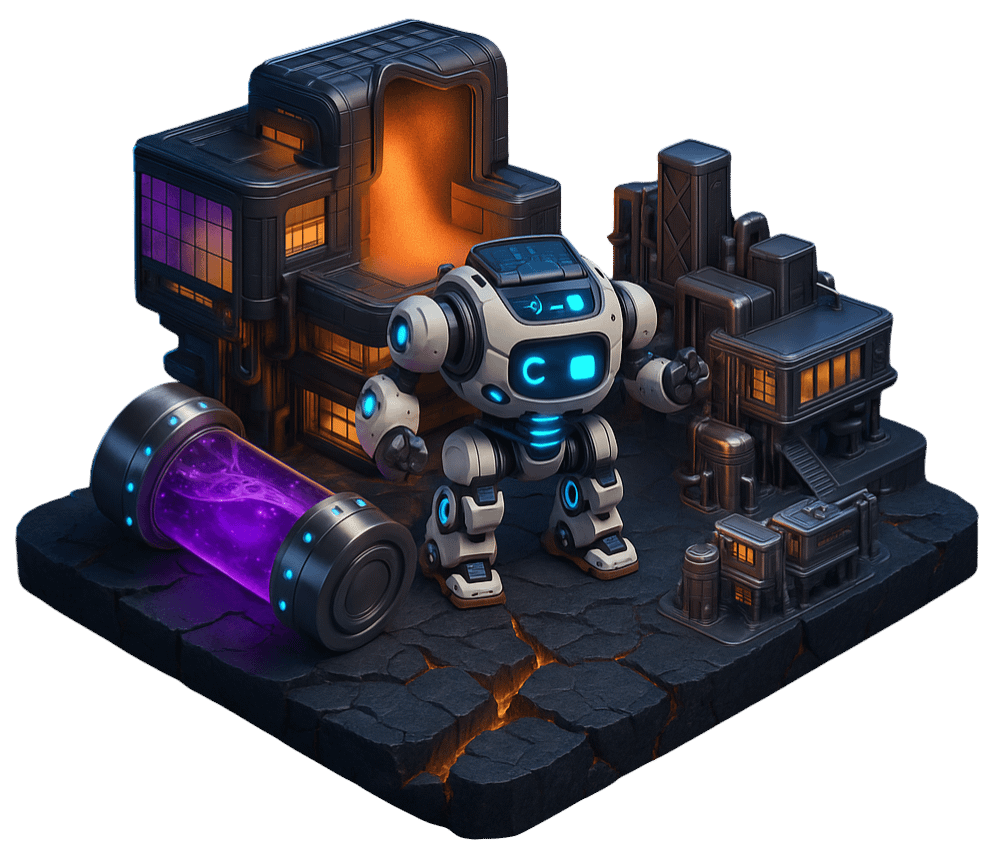
Shape explorable spaces with 3D environments that balance geographic and cultural authenticity with gameplay functionality. Our 3D environment team builds hero assets and environmental systems using efficient geometry and smart layout design – creating diverse locations that run smoothly while giving players a clear sense of space, direction, and navigation cues.

lighting &
atmosphere
Control player emotion and focus through strategic lighting design that defines mood, highlights paths, and enhances scene impact. Our lighting artists craft dynamic and baked lighting solutions with careful attention to color temperature, shadow placement, fog density, and ambient occlusion – creating atmospheric conditions that reinforce your world’s identity while maintaining visual clarity and performance targets.
asset
production
Populate your environments with the game assets and props that make spaces feel inhabited. Our asset artists develop both high-detail hero assets and performance-optimized background elements – creating comprehensive libraries with consistent styling and appropriately scaled detail that fill your game’s world without straining hardware or overwhelming players visually.
our game worlds’
expertise
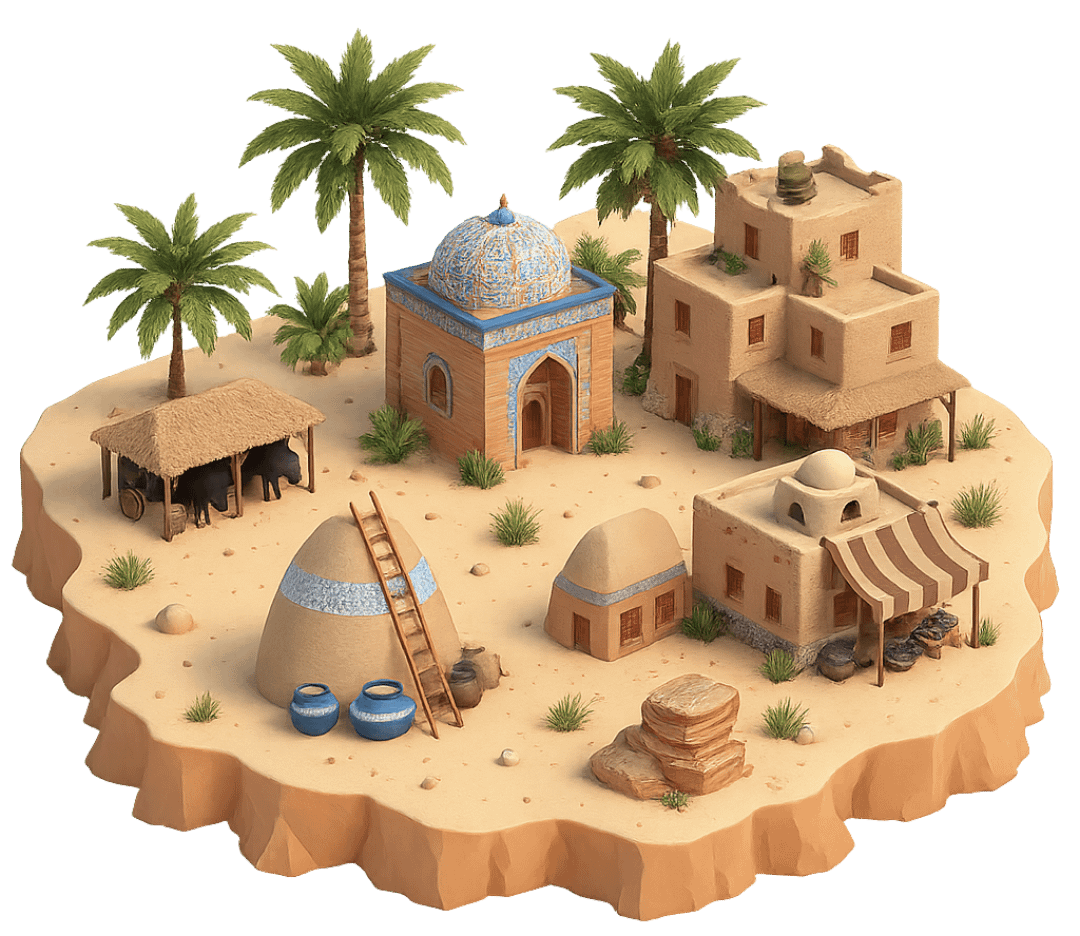
historical desert
warfare
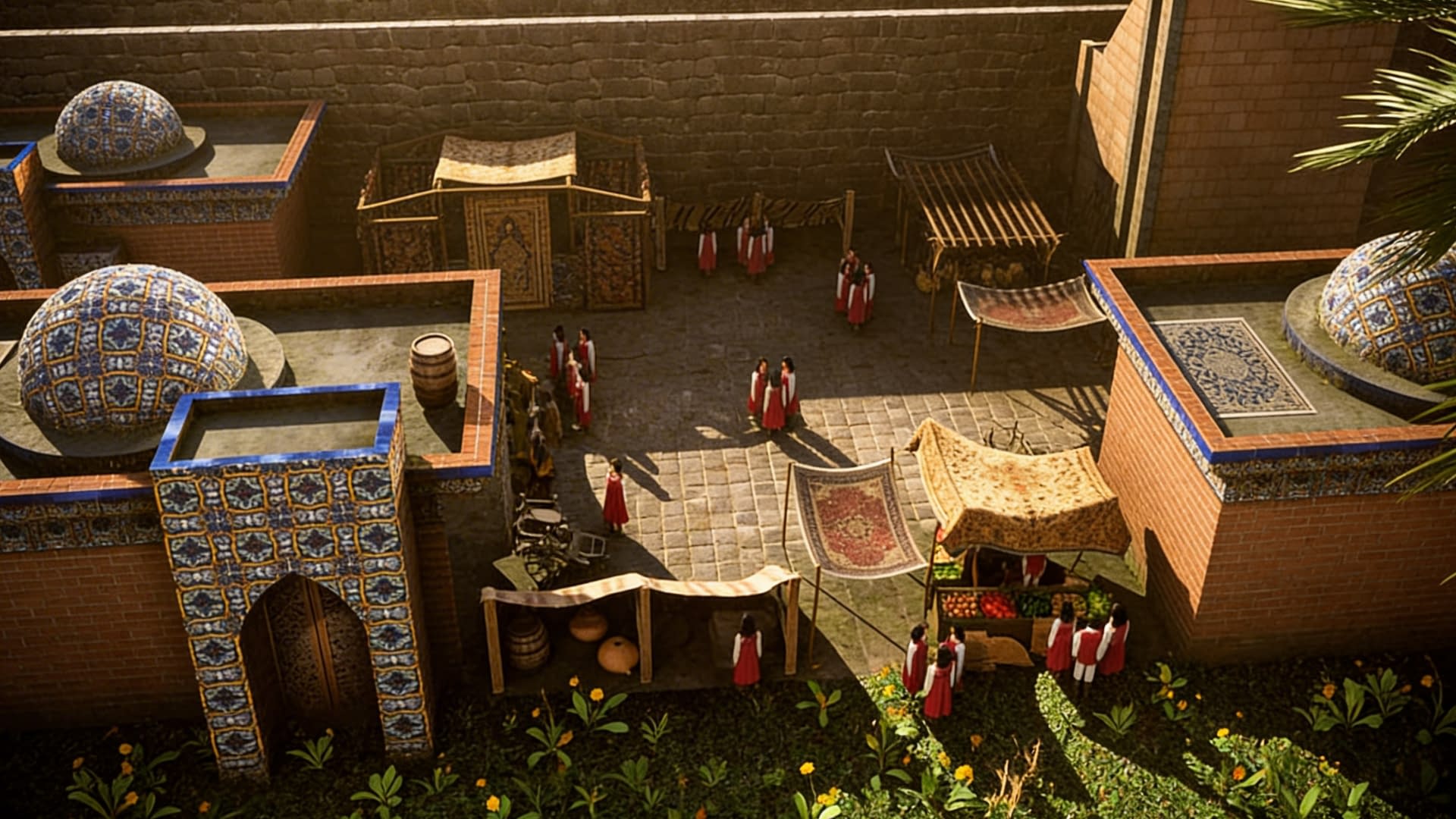
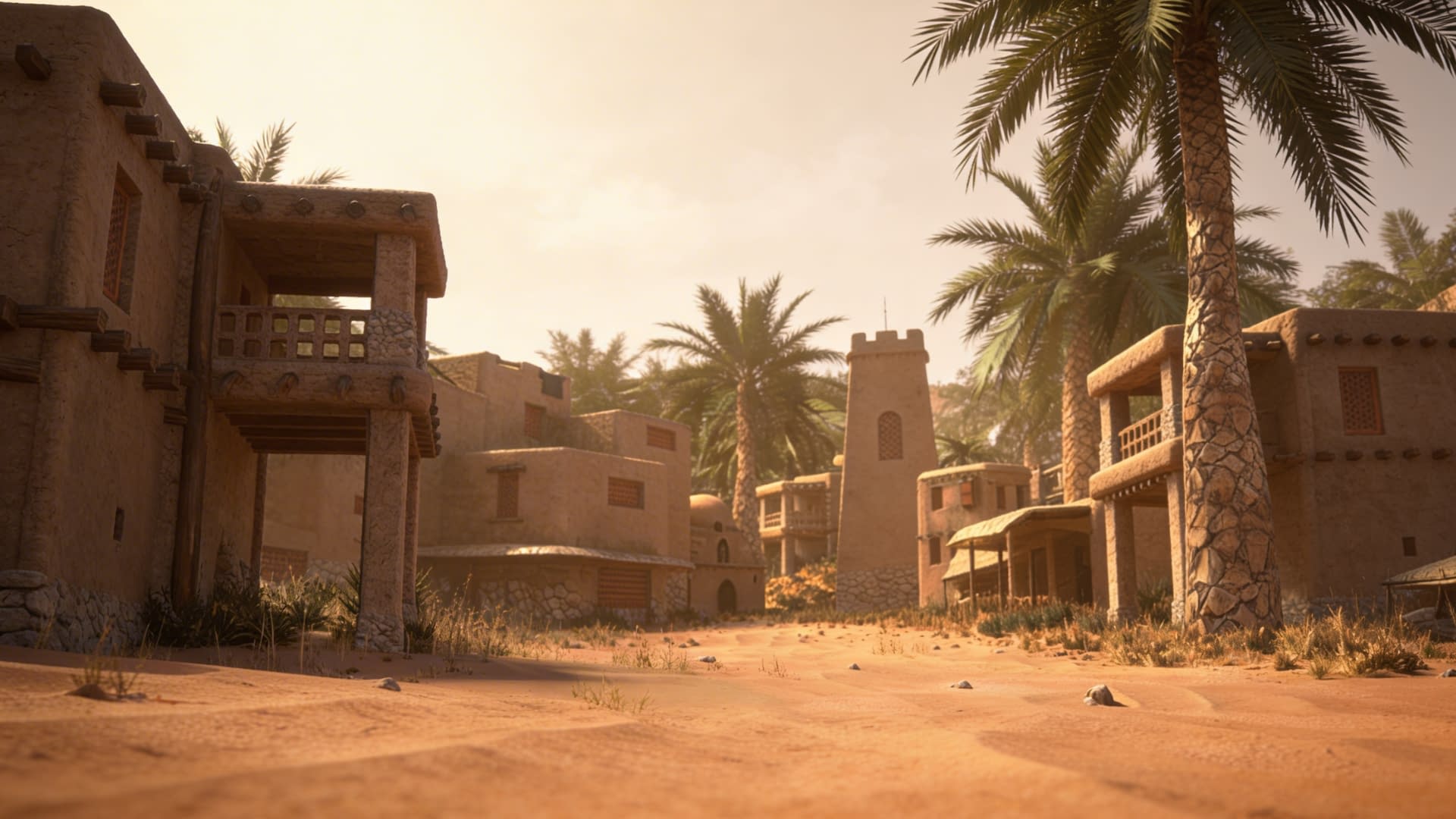
We built historically researched 7th-century conflict zones, distinguishing between two civilizations through environmental design. Arabian territories showcase functional tribal settlements with simple desert architecture, while Persian regions display imperial grandeur through ornate palaces
and monumental structures. The environments support strategic warfare gameplay while maintaining period authenticity in materials, building
styles, and landscapes that feature
the desert climate.
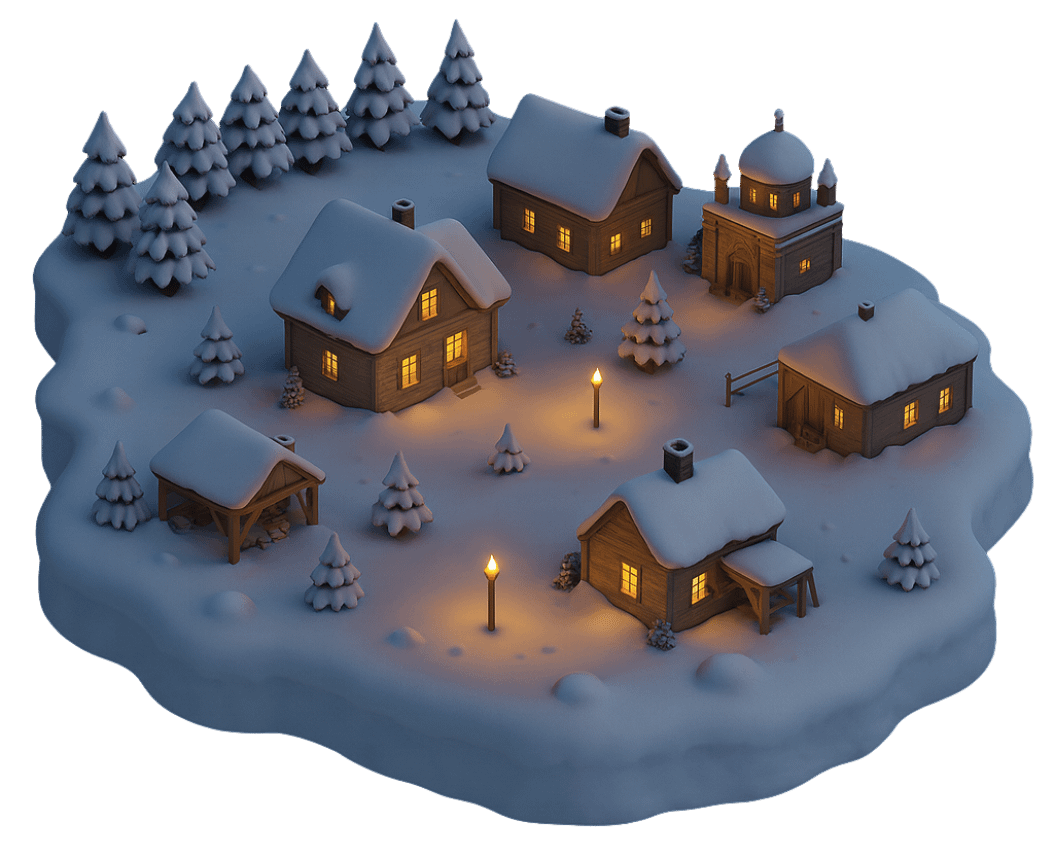
frozen
wilderness
We created a low-poly snow-themed metaverse – a winter wonderland featuring Icelandic-inspired mountainous environments. The frozen landscape includes varied terrain, aurora-lit skies, and bodies of water surrounding the playable island. With bright visuals and immersive world-building, the environment creates a relaxing yet engaging space for social interaction and
mini-games while maintaining clear navigation for the players.

child-friendly
learning spaces
We designed home and school environments – teaching bladder hygiene to children through familiar everyday contexts. Recognizable furniture, food items, and room layouts help young children connect health lessons to their daily routines. Minimal visual stimulation and pastel palettes keep focus on educational interactions rather than distracting decoration.
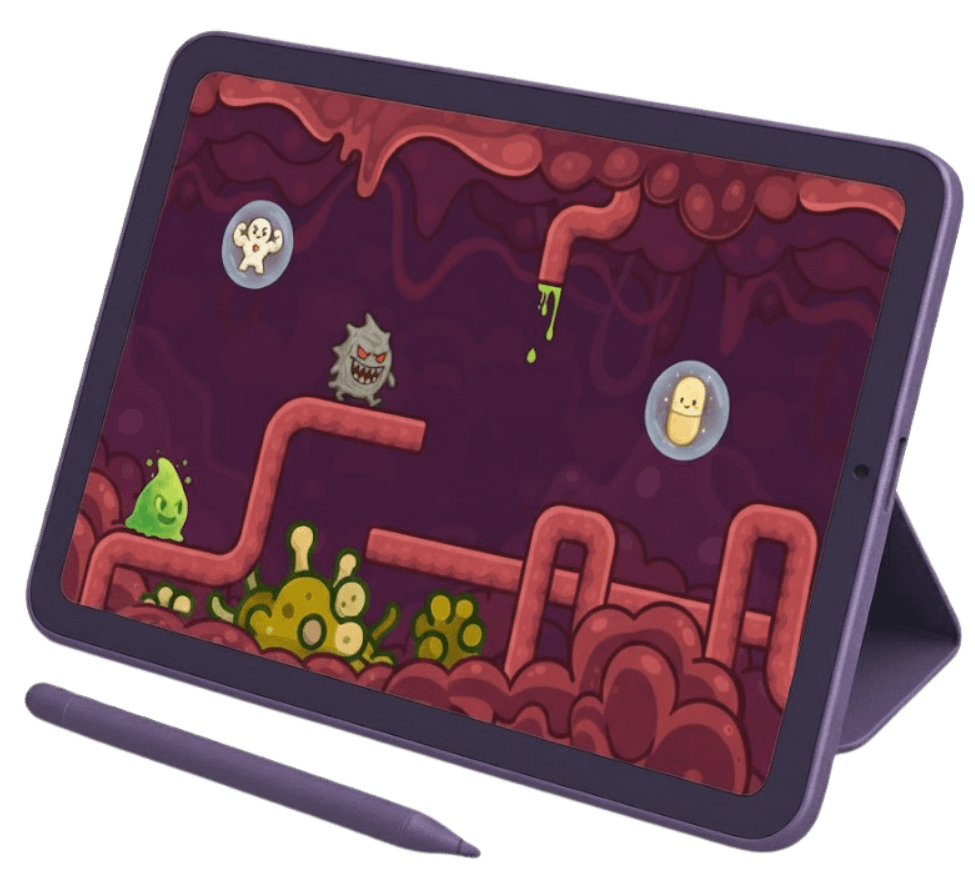
educational 2D
body systems
We created a 2D representation of the digestive tract showing how good foods versus bad foods affect bladder health through gut wellness. Using color-coded visual elements – beneficial probiotics, protective antibodies, harmful bacteria, and digestive issues like acid reflux – we designed the tract to be relatable for children. Simplified, non-threatening visuals help kids connect nutrition choices to tangible health outcomes, making abstract internal processes approachable for behavior change motivation.
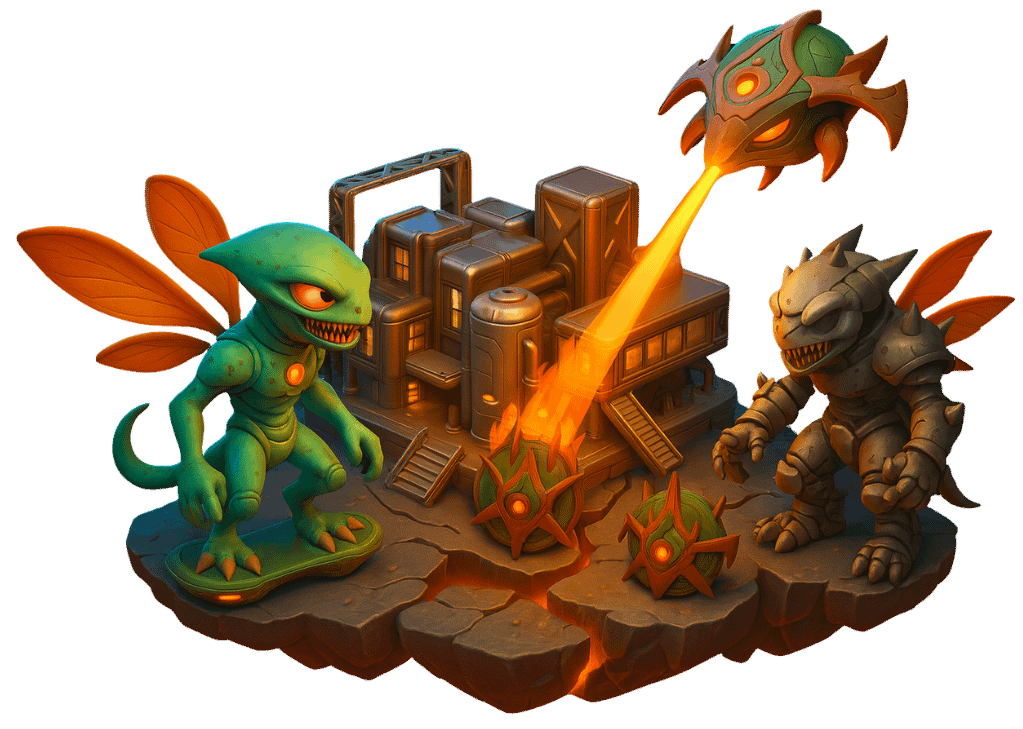
alien worlds
We designed post-apocalyptic alien planets – combining deteriorating sci-fi infrastructure with strategic rehabilitation gameplay. These ruined worlds feature destroyed resource buildings awaiting repair, robotic defense installations, futuristic structures in various states of decay, and harsh planetary terrain requiring strategic navigation. The environments balance alien post-apocalypse aesthetics with functional gameplay layouts – clear resource extraction points, defensive positions against alien waves, and explorable zones revealing the collapse’s mysteries.
why choose algoryte for
game world design?
gameplay-
informed design
Our environment artists understand that beautiful spaces must also support core gameplay. We design with player movement, combat zones, and player psychology in mind – creating environments that not only look great but also enhance how the game plays.
modular
environment kits
We build asset kits that create environmental variety without making everything from scratch – reusable architectural pieces, trims, and props that stay visually consistent while giving level designers flexible components to build diverse spaces efficiently.
performance-
driven design
Every environment decision considers technical impact – we balance visual ambition with polygon budgets, texture limits, streaming needs, and smart use of LOD where beneficial to maintain stable performance across device categories. We apply best practices for optimizing large-scale game environments, ensuring your worlds run smoothly across all platforms without sacrificing visual quality.
complete
environment
pipeline
From initial concept art through final optimized game-ready scenes, we handle every stage of environment creation – simplifying your workflow and ensuring visual consistency across your entire world. We also provide consulting services for optimizing game world performance when you need technical guidance beyond asset creation.
platform-specific optimization
We create environments for mobile, PC, console, and
VR – each with distinct requirements. Mobile prioritizes performance efficiency, PC supports detailed assets
and advanced rendering, console balances quality with hardware limits, and VR requires comfort-optimized design. Our platform experience guides optimization
and art style choices for each context.
collaborative
world-building
We work as an extension of your team through structured communication and iterative feedback – adapting to your pipeline, respecting your art direction, and remaining flexible as design requirements evolve throughout development.
world map
& geographic
design
We craft detailed world maps with distinct zones that provide meaningful gameplay variety. Our approach defines terrain, climate systems, natural landmarks, and infrastructure – ensuring each region feels unique while supporting navigation logic, resource distribution, and cultural storytelling through environmental design.
show, don't tell
technique
We practice visual narrative design where environments communicate story without exposition – weathered
reveal history, and scene composition guides emotional understanding. Every placed asset, surface detail, and overall scene layout conveys meaning – allowing players
to piece together narratives through observation rather than reading text dumps.
integrated
lore through
design
We translate your game world’s backstory, mythology, and cultural systems into tangible environmental elements. Our environments demonstrate societal and cultural elements through visual language that makes lore feel lived-in rather than abstract.
player-focused
readability
We design environments with clear visual hierarchy, intuitive navigation cues, and scalable complexity that welcome diverse player skill levels. Landmarks guide orientation, color coding signals interaction points, and the environment layout naturally directs movement – ensuring players understand where to go and what to
do without frustration.
thematic range
& versatility
We’ve built game environments spanning diverse themes – desert warfare, frozen metaverse, post-apocalyptic alien world-building, 2D digestive tract, and more. Our portfolio spans realistic, stylized, fantastical, and abstract themes across action, educational, and exploration-focused games – adapting our approach to any creative direction or audience.
stop settling for generic
spaces - create worlds
that elevate your
game
our game world creation
process
project brief & reference gathering
We begin by understanding your world’s setting,
gameplay requirements, technical constraints, and artistic direction. Our team analyzes reference materials, discusses world-building needs, and documents performance targets to establish clear production parameters.
concept development & mood exploration
Our concept artists create initial visual explorations through sketches, color studies, and atmospheric paintings – testing different architectural approaches, lighting scenarios, and compositional strategies to find the visual identity that best serves your game’s needs.
blockout & layout planning
We create rough 3D blockouts or 2D layout sketches – establishing environment layout, scale, player paths, and gameplay zones. We test the level flow and functionality before detailed asset creation to validate design decisions and prevent structural revisions later.
style guide & asset planning
We create clear environment guidelines covering architectural styles, materials, detail levels, and reusable components – creating asset lists and production schedules that ensure visual consistency and efficient resource allocation across all environment creation.
asset creation & modeling
Our environment artists build architecture, props, terrain, and environmental elements following approved designs – using reusable modular pieces and efficient texturing to create variety while controlling file sizes and maintaining consistent style.
texturing & material development
We apply realistic surface materials using modern techniques
– creating rich visuals through detailed weathering, surface variety, and strategic detail placement while keeping file sizes manageable and performance smooth.
atmosphere setup
Our lighting artists place light sources, configure shadow quality, adjust fog parameters, and set up post-processing effects – building the atmospheric conditions that define mood and guide player attention while balancing visual impact against rendering performance.

environment assembly & polish
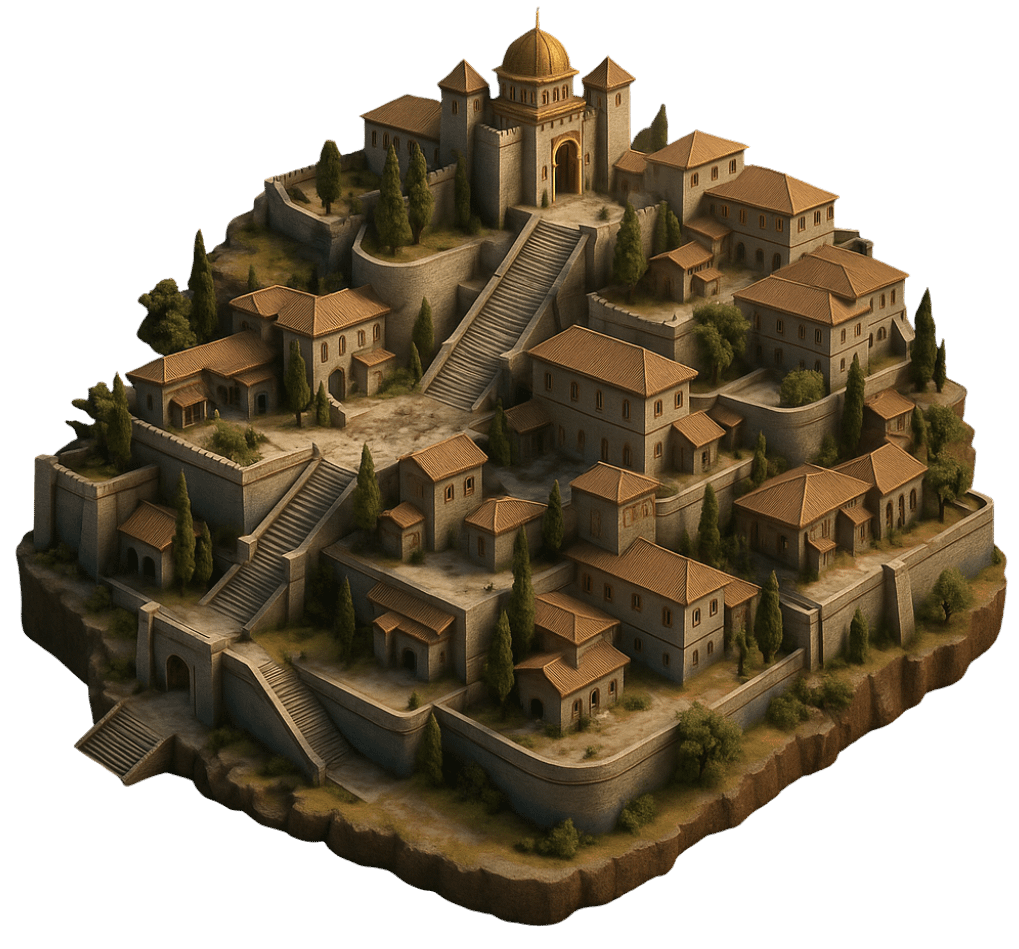
We assemble all components into complete scenes, add environmental storytelling details, place particle effects, and refine environmental composition – ensuring environments read clearly from all relevant player perspectives and maintaining consistent visual quality throughout exploration.
optimization & performance testing
We run comprehensive performance checks to ensure everything runs smoothly – monitoring geometry complexity, rendering efficiency, visibility systems, loading speeds, and frame rate consistency. Our team implements LOD systems that automatically adjust visual quality based on distance while identifying and optimizing any trouble spots to hit performance targets on every platform.

final review & delivery
We present completed environments for your approval, implement requested adjustments, and deliver organized
scene files with proper naming conventions, layer structure,
and documentation – ensuring seamless integration into your project with all technical specifications met.
our portfolio
speaks for itself
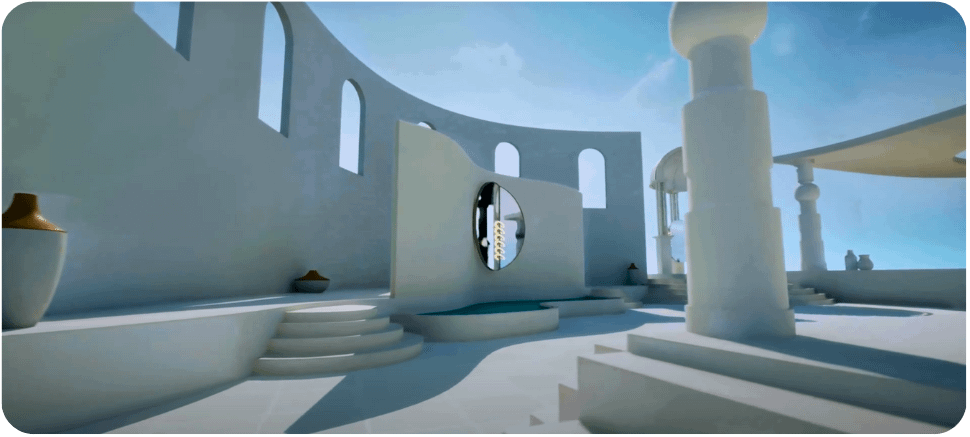
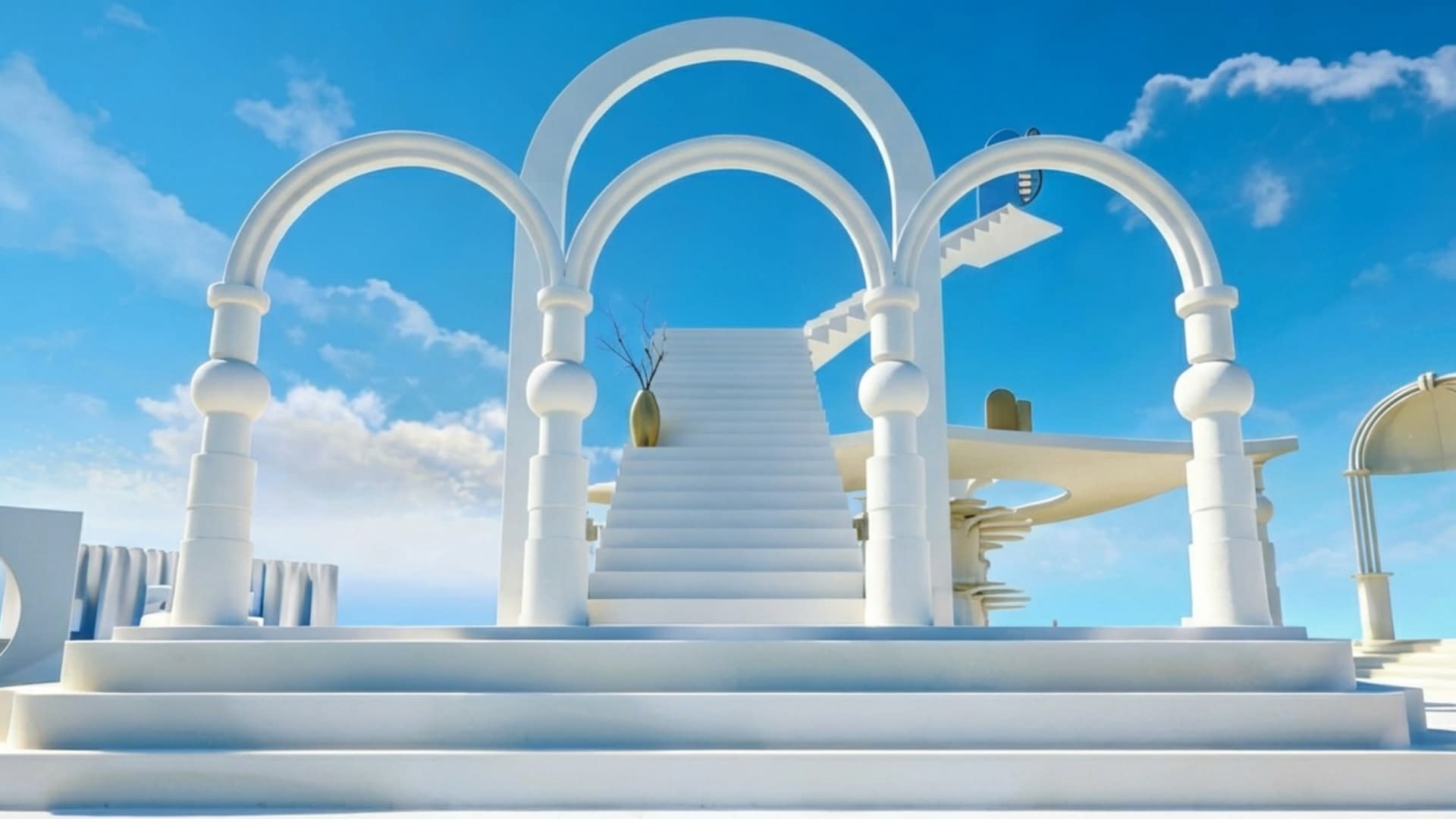
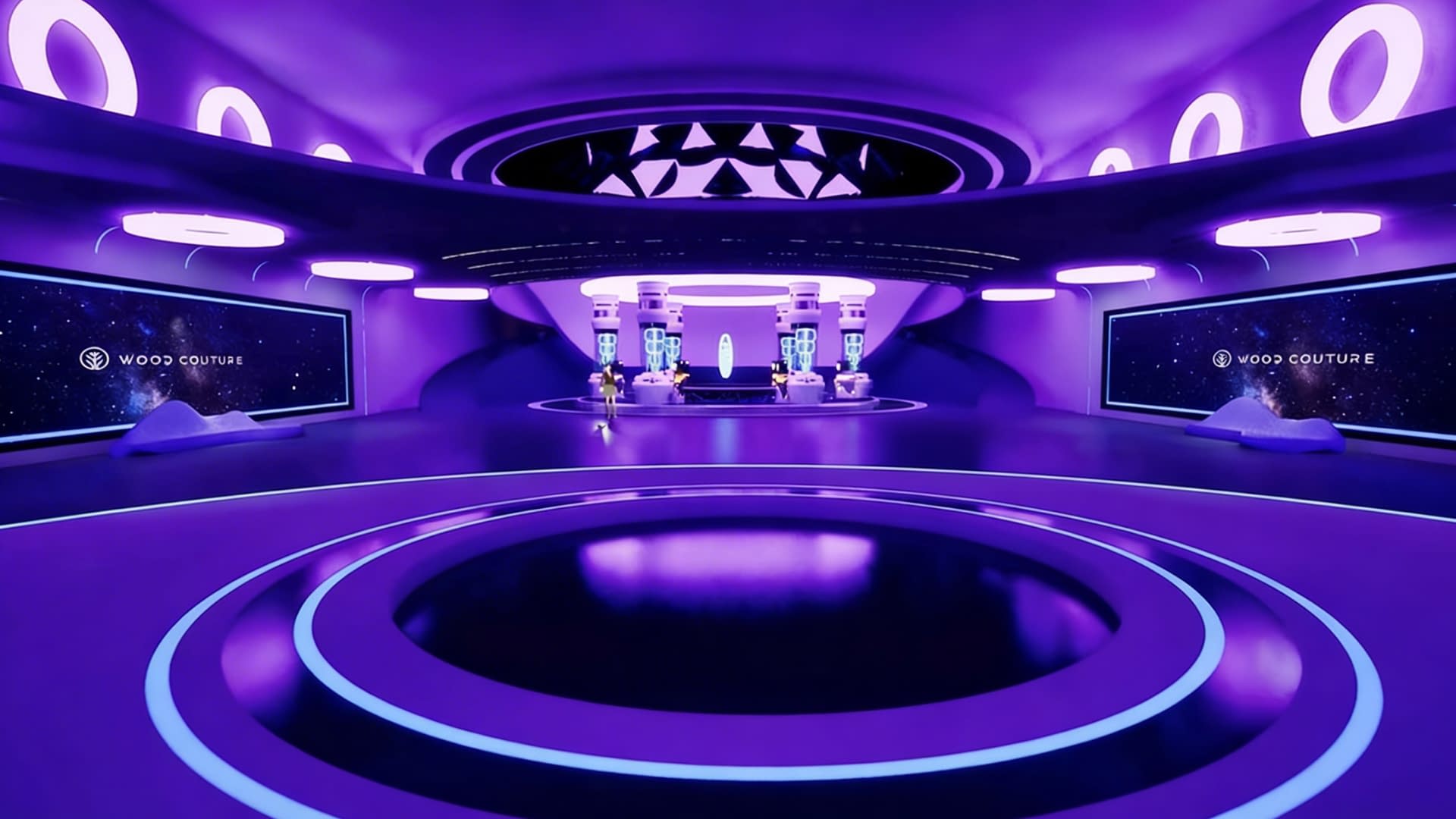
Metaverse architectural design featuring dreamlike European-
Middle Eastern spaces with opulent baths, designer mirrors,
alleys, and glittering water surroundings.
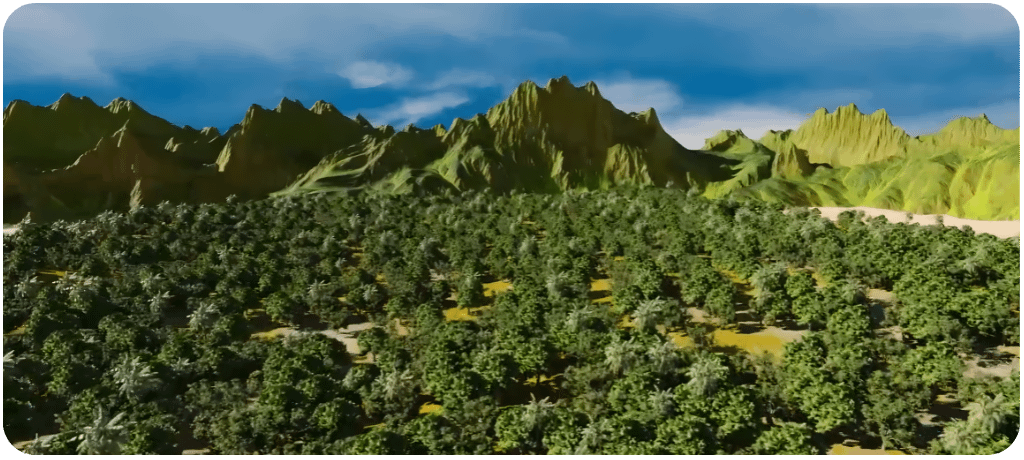
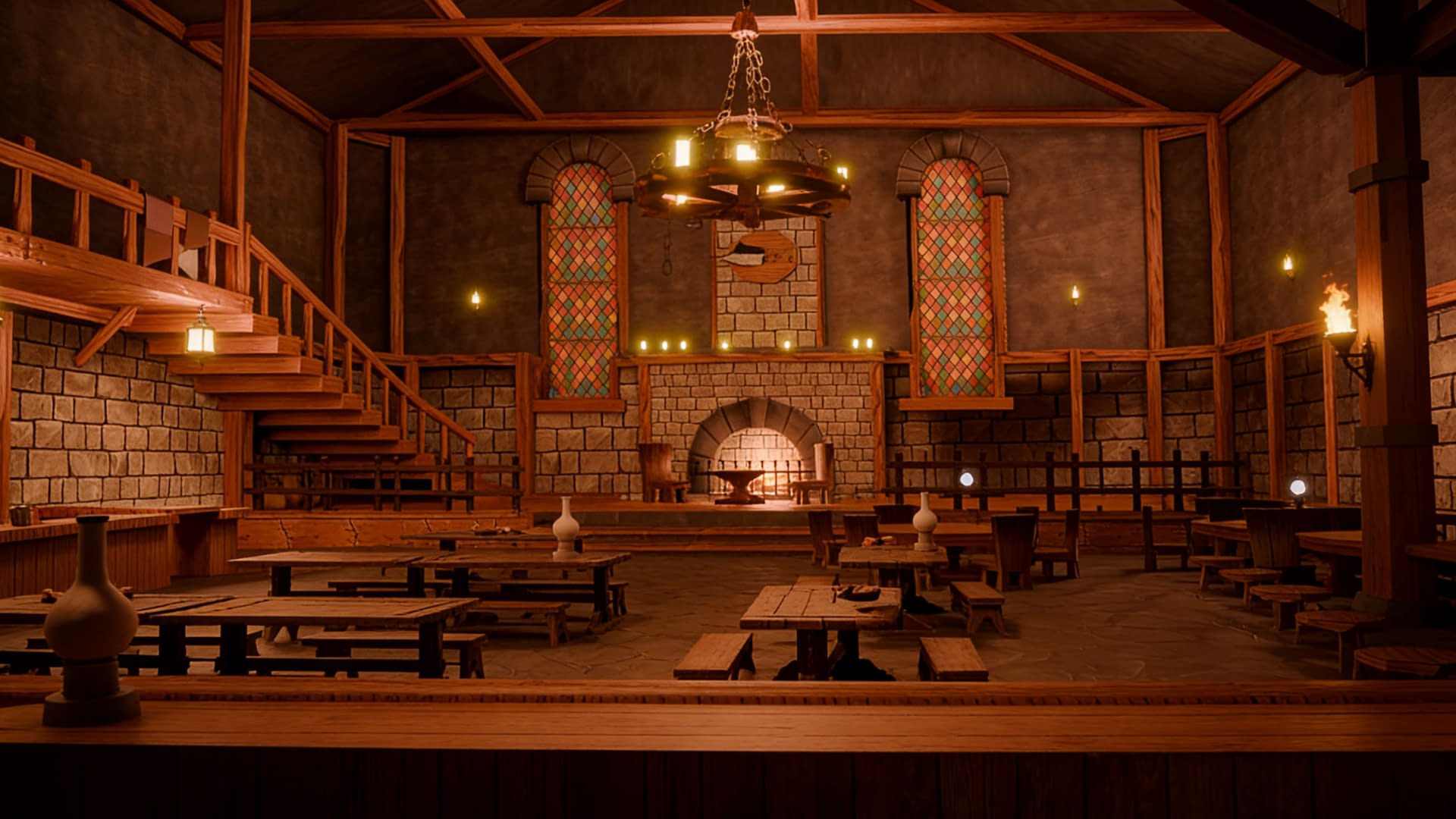
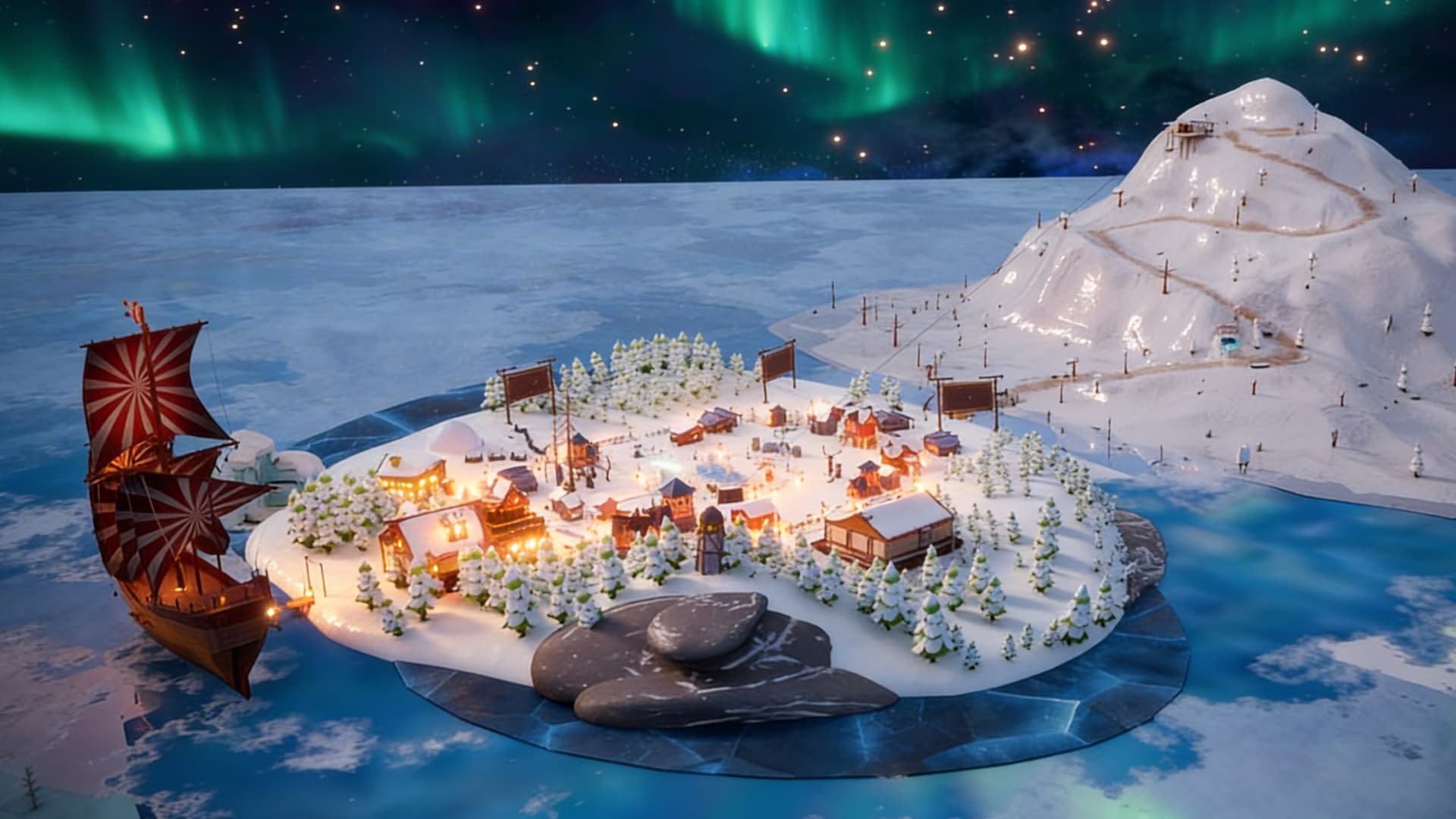
Environmental variety across natural wilderness with dense forests and
mountains, cozy interior spaces with medieval tavern ambiance and fireplace
lighting & enchanting winter landscapes featuring snowy island villages under
northern lights.
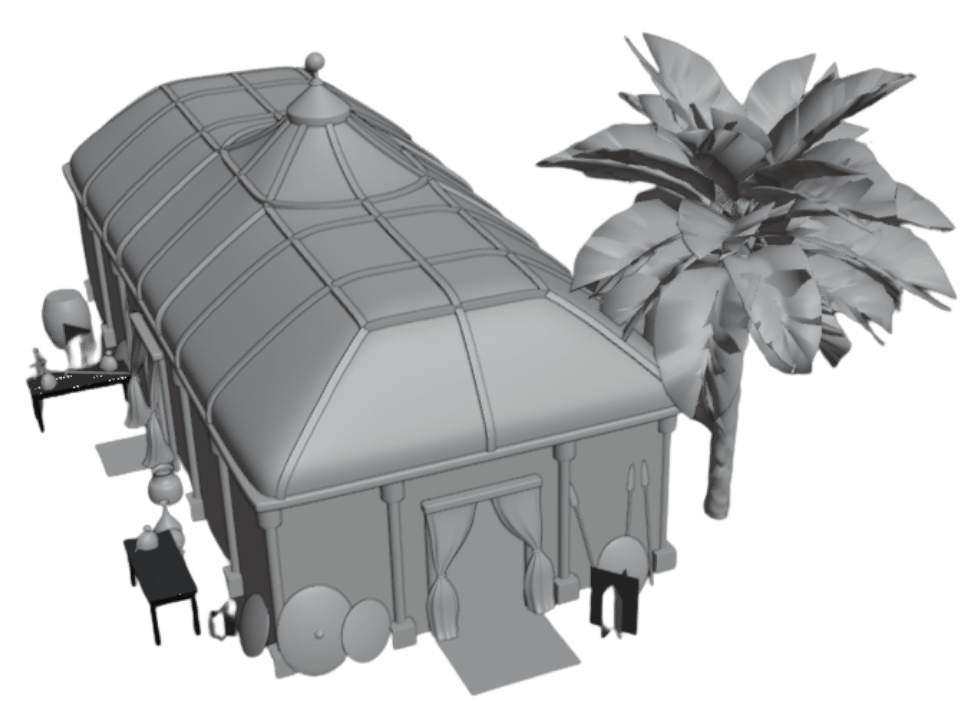
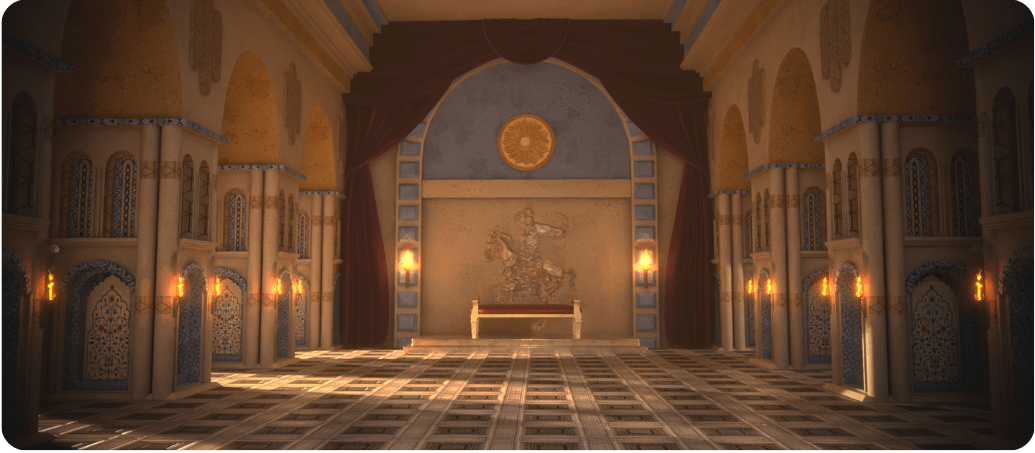
7th-century Persian environments, spanning grand interior spaces
with carved reliefs and geometric floors, and vibrant marketplace
scenes, along with authentic Arabic desert settlements with Middle
Eastern architecture and natural landscapes.

FAQs
2D uses layered artwork and parallax scrolling for depth, great for side-scrollers and isometric views with fixed cameras. 3D creates fully navigable spaces with dynamic viewpoints, offering more immersion and interaction – ideal for virtual reality experiences and open-world games. Choice depends on gameplay, art style, and platform.
Start with clear artistic direction and functional purpose – every environment should tell a story and serve gameplay. Use lighting and color to create mood and guide player attention. These layered environmental details reward exploration and balance visual density with performance. Compelling environments combine strong composition, atmospheric consistency, interactive elements, and subtle environmental storytelling through props and spatial design rather than exposition.
Unreal Engine and Unity dominate game world creation, offering robust rendering, lighting, and terrain tools. For environment modeling, Blender, Maya, and 3ds Max are industry standards. Substance Painter handles texturing, SpeedTree specializes in vegetation, and Houdini excels at procedural generation.
Costs vary significantly based on scope, quality requirements, platform targets, and asset complexity. Factors affecting budget include environment scale (single levels versus open worlds), asset density, whether you need unique versus modular reusable assets, optimization requirements, and deliverable scope – from concept art through final implementation.
Environmental storytelling is evolving toward dynamic worlds that respond to player actions. Trends include procedurally varied details for replayability, persistent environmental changes, AI-driven ambient life, and spaces that react to player presence – forming paths through traversal and reflecting choices – rather than remaining static backdrops.