turn your game’s
abstract ideas
into concrete
concept art
Get comprehensive concept art for character, environment & prop design with detailed specifications and style documentation by Algoryte – establishing your game’s solid visual foundations that prevent costly production revisions.
sketch your dreams
with us.
concept art
development services
Our concept artists are expert visual problem-solvers who capture the tone, mood, and overall feel aligned with your vision. We create concept art for video games across all genres and platforms – producing detailed visual guides for single-player stories, multiplayer worlds, and live-service games. We offer affordable concept art services for indie game developers and AAA studios – deliver quality work without compromise.
Our approach blends creative exploration with precise documentation, ensuring concepts provide clear instructions for 2D illustration, 3D modeling, and animation – turning ideas into playable realities. Each concept includes essential production specs needed for smooth game engine integration, such as multi-angle views for modeling, material callouts for texturing, scale references for consistency, and style guides to maintain visual harmony throughout development.
our concept
art services
visual identity
& style guide
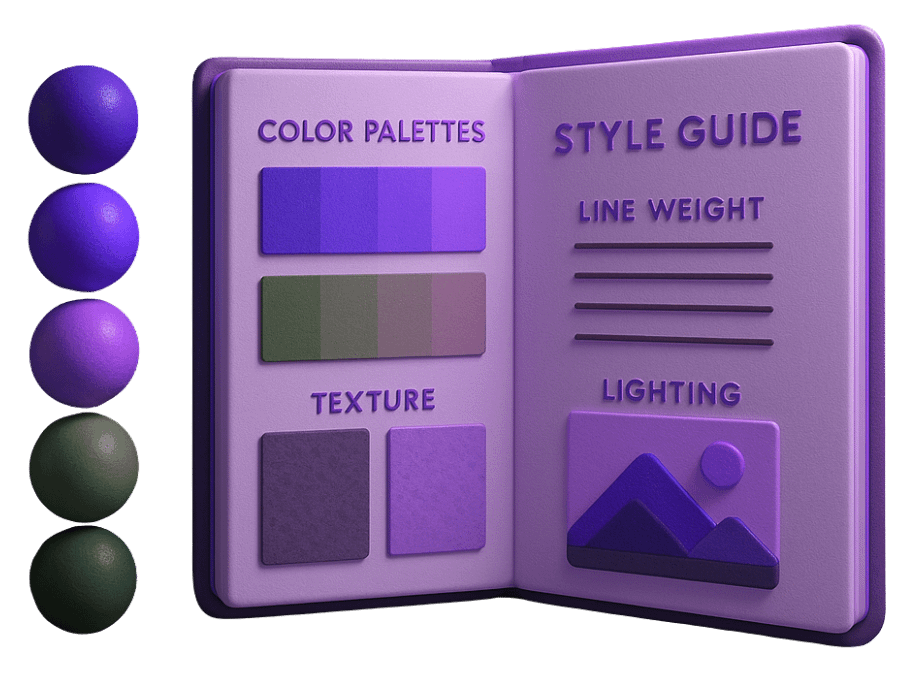
Establish your game’s visual identity through detailed documentation of the art style that maintains consistency across your entire production. Our guidance on choosing an appropriate concept art style for a project ensures your visual direction aligns with gameplay, target audience, and platform requirements. We create style guides that define color palettes, line-weight standards, texture application rules, lighting approaches, and design principles.
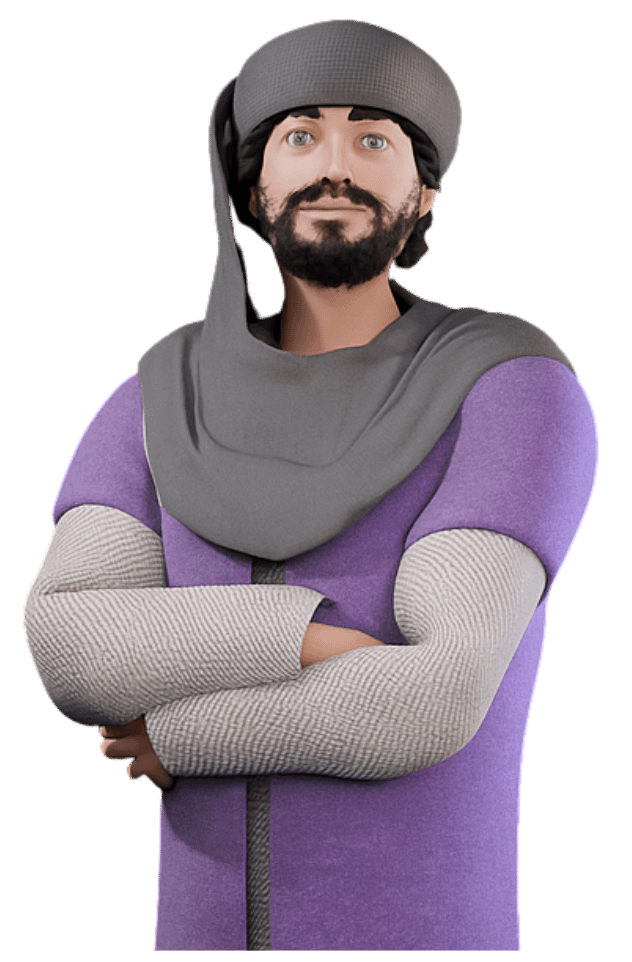
character
concept art
Establish a clear visual foundation for every character based on their backstories, personalities, emotions, and roles in the game. Our concept art character services specialize in creature concept art, humanoid designs, mechanical beings, fantastical entities, and more. We develop multiple design iterations – from silhouette studies to orthographic views – giving artists everything they need for production-ready models.
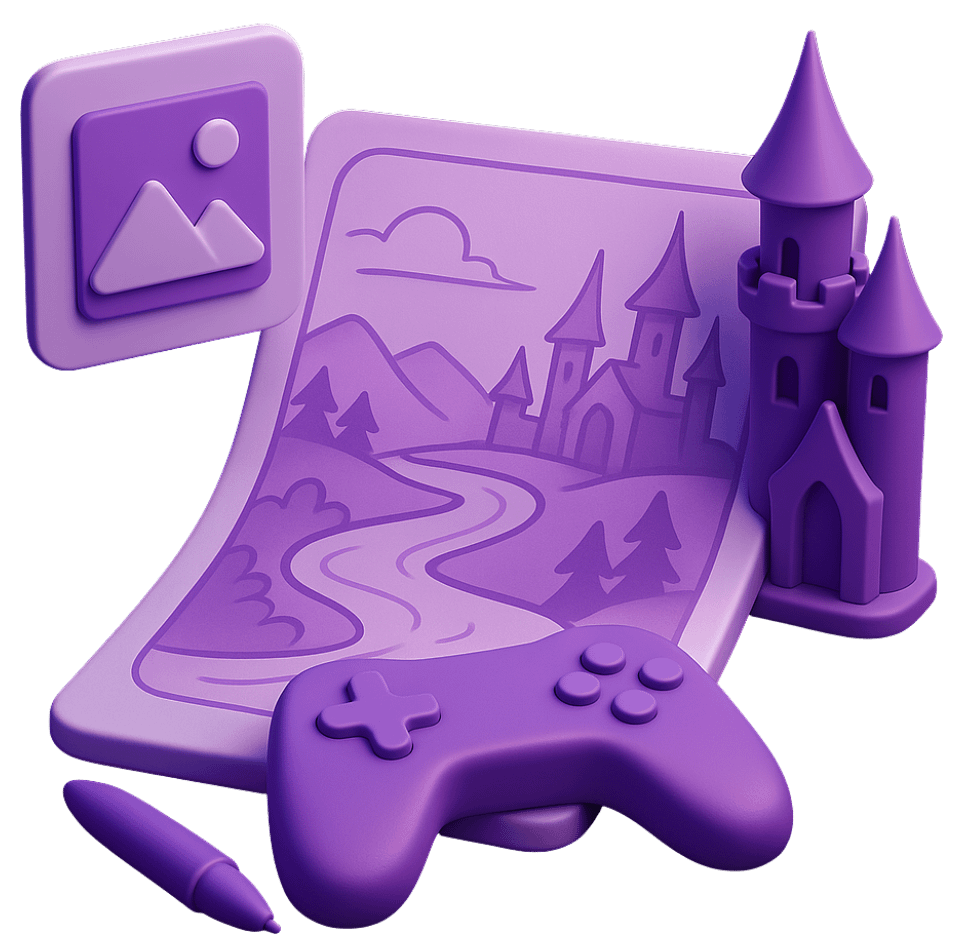
world-building/environment
concept art
Define your game’s environmental identity through authentic world-building based on its unique lore, geography, and cultural settings. Our concept art services, specializing in environment and landscape design, provide concept art tailored to fantasy settings, sci-fi worlds, post-apocalyptic landscapes, contemporary environments, and more. We develop landscape compositions, architectural guides, and spatial layouts with accurate measurements – giving artists clear direction for cohesive
environments that support gameplay.
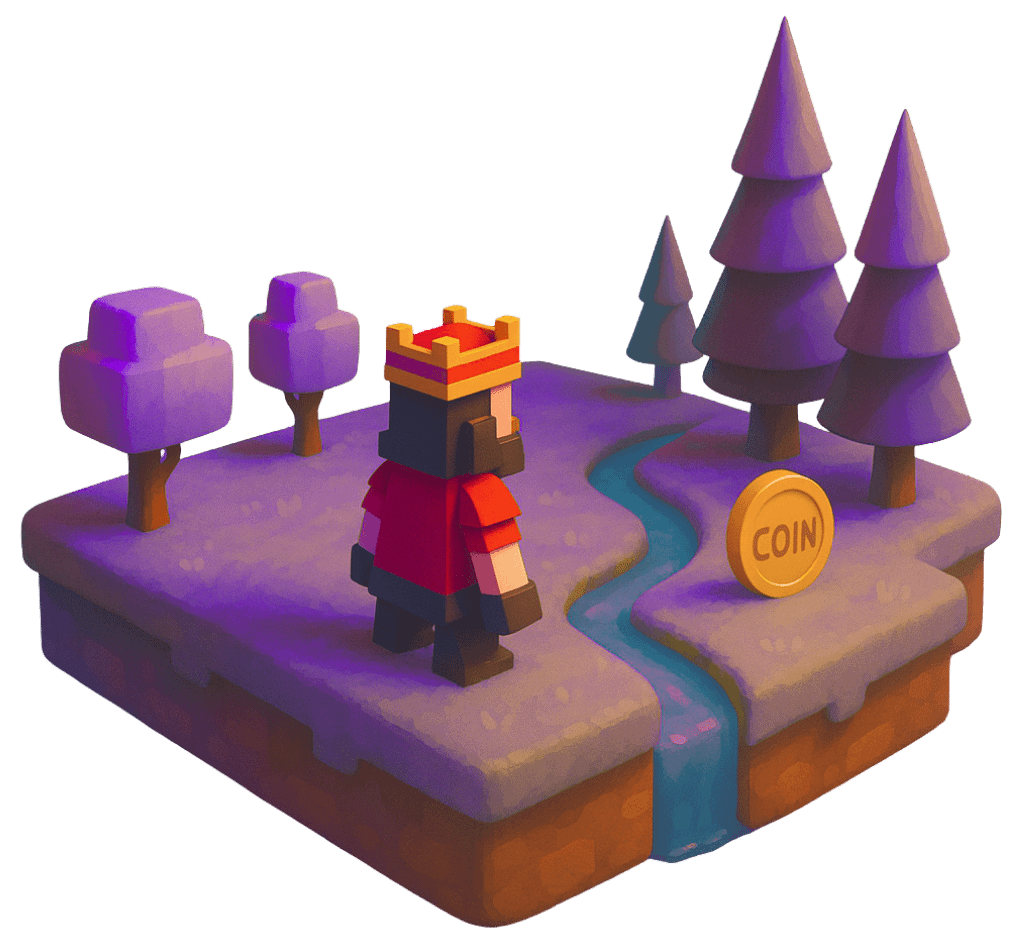
level design
concept art
Translate gameplay requirements into spatial layouts through level concept paintings to create engaging, replayable spaces that guide player interaction naturally. Our level concepts illustrate player flow, encounter zones, landmark placement, and environmental narrative opportunities – giving level designers and environment artists an aligned understanding of how spaces should look and function before asset creation begins.
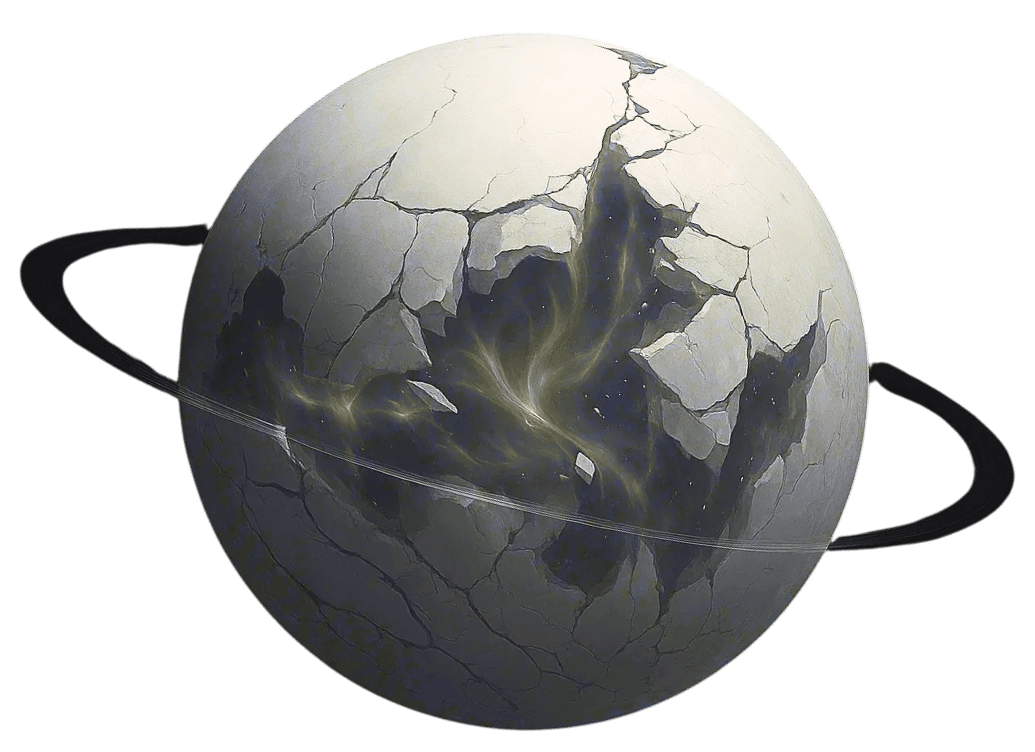
assets/props
concept art
Design the in-game objects that populate your world with functional and narrative purpose through detailed illustrations. We offer bundled services, including storyboarding and visual development, to visualize how objects appear across different scenes and narrative moments. Our asset and prop concept work includes dimensional specifications, material breakdowns, construction logic, and style-appropriate detailing – ensuring every sword, vehicle, furniture piece, or environmental object integrates seamlessly into your game’s visual hierarchy.
why choose algoryte for
your game’s concept art?
style mastery
& artistic
versatility
Experienced in all art styles – whether stylized, realistic, or abstract – our artists tailor depth, detail, and visual effects to shape your game’s unique tone, mood, and theme. We also create concept art for animation, where timing and motion considerations influence design differently than static game sprites. They apply concept art fundamentals – anatomy, proportions, texture, lighting, and color – to create compelling visuals through confident sketching and polished digital drawing.
comprehensive
visual blueprint
We create authentic reference systems that serve as your game’s visual foundation – establishing distinctiveness, maintaining thematic cohesion, and providing clear direction that prevents style drift as production scales or team composition changes over development cycles.
concept art
for 2D & 3D
Our concept art includes 3D concept modeling services alongside 2D art – whether your team creates illustrated assets or builds dimensional models. Clear specifications reduce interpretation errors across all formats and ensure concepts translate accurately from initial vision to final playable implementation.
broad industry
experience
Our portfolio encompasses fantasy RPGs, sci-fi shooters, stylized platformers, realistic simulations, mobile games, and more. Beyond game development, we also provide concept art service options for advertising and marketing campaigns, where visual storytelling drives brand engagement. We bring proven visual development expertise and flexible pipeline integration to studios of any size or production structure.
technical
concept art
documentation
Our services that convert hand-drawn sketches into digital concept art include detailed specifications, such as orthographic views, material callouts, scale references, and construction notes – tailored for your platform, device, and game engine. These production-ready documents turn artistic concepts into precise blueprints for seamless implementation across teams.
transform your game’s
one-liners into full-fledged
concept art.

our concept art
development process
collaborative vision alignment
Your initial idea becomes our starting point. We collect visual references close to your concept, then expand research into architectural precedents, cultural influences, character archetypes, environmental contexts, and period-accurate details – building a rich reference foundation that gives your vision authentic depth.
atmospheric foundation setting
We begin by creating visual mood representations, exploring lighting scenarios, color psychological impact, atmospheric density, and environmental tone – establishing the feeling your world should evoke and providing production teams with clear emotional direction beyond technical specifications.
creative exploration
Our sketching phase deliberately explores opposite directions. We generate rapid thumbnails testing contrasting styles, challenging proportions, unexpected compositions, and alternative design philosophies – intentionally pushing boundaries to discover which creative direction works better before committing resources to choices relevant to your game.
focused refinement
We refine forms, apply color systems, resolve compositions, and polish rendering – creating multiple finished options for structured review cycles where your feedback guides us toward the specific aesthetic balance your project requires.
technical & style Integration
Our translation layer turns approved concepts into detailed blueprints, including views, material specs, size guides, and build notes – tailored for your platform, device, and engine. Simultaneously, our style system defines a unified visual language through design rules, color palettes, line quality, and rendering techniques – creating scalable guides that support long-term production.

production-ready handoff
Final delivery includes everything production needs, i.e., layered files preserving editing flexibility, annotated sheets clarifying design intent, specification documents detailing technical requirements, and organized structures for easy navigation.
our tech stack

FAQs
Concept art establishes visual direction before production begins, preventing costly revisions by aligning teams on aesthetic goals early. The key stages include research and mood boarding, exploratory sketching, refined illustrations with multiple iterations, and technical documentation with orthographic views and specifications. This pipeline ensures concepts translate accurately into 2D sprites, 3D models, and animations while maintaining visual consistency throughout development.
Raster software (Photoshop, Procreate) uses pixels for painterly textures, detailed rendering, and organic forms. Vector software (Illustrator, Affinity Designer) uses mathematical paths for clean lines, scalable shapes, and precise UI elements. Tools for efficiently managing concept art projects often combine both approaches, using raster for exploration and vector for technical documentation, with project management platforms tracking iterations and feedback cycles.
Professional concept art costs vary significantly based on project complexity, art style detail, asset quantity, and artist experience level. Concept art service packages for video game projects often bundle character, environment, and prop concepts with phased delivery across 4-12 weeks, depending on iteration depth. Concept art services with fast turnaround times can deliver initial exploration sketches within 3-5 days for rapid prototyping needs, though comprehensive visual development typically requires 6-10 weeks.
Review portfolio diversity to confirm experience across relevant styles and genres, and check client testimonials for communication quality and revision responsiveness. Benefits of outsourcing visual development to a specialized firm include accessing expert talent without full-time hiring costs and maintaining production flexibility. When selecting a concept art outsourcing studio, evaluate their best methods for integrating outsourced concept art into internal workflows. The best ways to collaborate effectively with external concept art teams include establishing regular feedback, using shared tools, and defining revisions upfront.
Reputable concept art studios typically transfer full IP ownership to clients upon final payment, meaning you own all concepts, iterations, and production files outright for unlimited commercial use. Contracts should explicitly state work-for-hire terms, clarify whether the studio can showcase work in portfolios (with timing restrictions if needed), and address any pre-existing assets or style elements. Always request written IP transfer agreements before project start, and ensure deliverables include source files, not just final renders, to maintain complete creative control over your game’s visual assets.