


Overview
- Post-launch steps determine whether a game grows into a lasting success or fades after release.
- Stability, LiveOps, retention, marketing, monetization, community management, continuous analytics, and iteration ensure the game evolves alongside player expectations, new types of games, and emerging trends like virtual reality experiences.
Introduction
Releasing a game is not the finish line – it’s the start of a new chapter. The game development process extends far beyond launch. Whether it’s fixing early bugs, scaling servers, introducing seasonal events, or nurturing communities, these steps decide the long-term survival of a game.
In this guide, we’ll explore the standard post-launch game development steps, highlighting how stability, LiveOps, retention strategies, marketing, monetization, community-building, analytics, and long-term planning shape the success of titles.
Step 1: Stability, Support & Monitoring
The first step is to focus on ensuring the game’s core stability, swiftly resolving issues, and monitoring performance to guarantee a seamless player experience.
- Performance Monitoring: Continuously tracking game performance to quickly identify and resolve bugs, crashes, and other issues.
- Customer Support: Establishing responsive support channels to assist players promptly and handle their concerns.
- Server Reliability: Maintaining reliable, scalable server infrastructure with load balancing and auto-scaling to manage player traffic and demand spikes.
- Maintenance Planning: Scheduling ongoing maintenance and technical support, including updates during off-peak hours, with minimal player disruption.
Step 2: LiveOps
LiveOps keeps the game lively and responsive by delivering fresh events, content, and timely updates that adapt to player behavior in real time. For certain types of games and virtual reality experiences, LiveOps must focus on immersion – balancing systems for depth while preserving fun in-game.
- Content Updates: Adding new maps, levels, characters, skins, or quests to keep the players’ interest intact.
- Regular Patch Updates: Continuously fixing bugs and balancing gameplay to improve player experience.
- Seasonal Events: Hosting limited-time themed events to spark excitement and encourage continued play.
- Limited-Time Offers: Offering exclusive deals or items to create urgency and drive sales.
- Live Streaming Support: Encouraging streams and broadcasts to increase engagement and game exposure.
- In-Game Economy Balancing: Adjusting rewards, drop rates, or currencies to maintain fairness
Step 3: Player Retention & Engagement
Retention requires both innovation and consistency. Strong design in games ensures players stay invested through reward systems, progression, and social interaction. Procedurally generated challenges provide endless replayability. Similarly, virtual reality experiences thrive when developers continuously refine comfort, game mechanics, and interactivity, keeping the sense of fun in-game alive.
- Retention Metrics: Tracking early, sustained, and long-term player engagement with metrics such as Day 3 Retention (~20-30% benchmark), Day 7 Retention (~10-20% benchmark), and Day 30 Retention (~2.5-10% benchmark).
- Incentive Rewards: Offering bonuses, achievements, and exclusive items for loyalty.
- Social Features: Enabling interactions via chat, clans, and multiplayer modes.
- Personalized Experience: Tailoring gameplay and offers based on player behavior.
- Re-engagement Campaigns: Using bonuses and targeted messages to win back players.
- VIP Nurturing: Rewarding high-value players with exclusive content and support.
- In-Game Events: Organizing limited-time challenges to boost engagement.

Step 4: Marketing & User Acquisition
Focused marketing efforts and partnerships are deployed to attract new users and increase brand awareness. Marketing strategies vary across types of games. The foundation of all strategies is understanding design in games and tailoring campaigns to highlight what makes them enjoyable and unique.
- App Store Optimization (ASO): Enhancing store listings with descriptions, keywords, trailers, visuals, and reviews for better discoverability.
- Paid User Acquisition Campaigns: Investing in targeted ads and promotions to grow the player base after launch.
- Retargeting Campaigns: Using personalized ads to bring back former or inactive players.
- Cross-Promotion: Partnering with other games or platforms to share audiences and boost downloads.
- Collaborations with Influencers: Leveraging influencers, streamers, and ambassadors to reach wider audiences and enhance trust through endorsements.
Step 5: Monetization Optimization
Following that, monetization tactics need to be refined based on player data to maximize revenue while maintaining a positive user experience.
- Balanced Monetization Models: Offering balanced monetization strategies, such as cosmetic microtransactions, season passes, or downloadable content, to avoid pay-to-win backlash and ensure fairness.
- Live Service Models: Offering seasonal events, new maps, and regularly updated content to sustain player engagement over time.
- A/B Testing Offers: Experimenting with different price points, bundles, or ad placements to identify the most effective way to maximize revenue.
- Key Marketing Metrics: Tracking CPI (Cost Per Install), CPM (Cost Per Mille), LTV (Lifetime Value), and ARPU (Average Revenue Per User) helps optimize marketing spend and player monetization outcomes.
- User-Generated Content (UGC): Encouraging players to create and share content opens opportunities for monetization through content marketplaces, in-game purchases of UGC, and increased player retention.
Step 6: Community Building & Management
Parallel to these efforts, building an active, engaged community becomes a priority through consistent communication, events, and support.
- Regular Communication: Keeping players informed and building trust with regular, transparent updates via forums, social media, and in-game announcements.
- Player Feedback Integration: Actively listening to community feedback through surveys, forums, and social channels and then responding with meaningful updates and fixes to show players their input matters.
- Social Media & Community Platform Management: Leveraging platforms like Discord, Reddit, and Twitter to foster player interaction, moderate discussions, and provide direct support, making the community a vibrant and welcoming space.
- Rewarding Loyalty: Implementing loyalty programs, exclusive content, and special rewards to recognize and retain dedicated players, encouraging long-term commitment.
- Transparency & Developer Engagement: Having developers engage with the community through Q&A sessions, live streams, and updates to humanize the team and foster a deeper connection with players.

Step 7: Analytics & Iteration
Using analytics as a guide, we continuously iterate on gameplay and features to enhance satisfaction and respond to player feedback.
- Data-Driven Performance Monitoring: Tracking key metrics such as player retention, session length, daily active users (DAU), and churn rates to assess overall game health and identify trends over time.
- Cohort Analysis: Grouping users into cohorts based on shared characteristics or behaviors, such as paying vs. non-paying users or casual vs. hardcore players, to track differences in retention, spending, and engagement, helps developers make targeted improvements.
- Iterative Content Updates: Using insights from data and feedback to continuously release balanced updates and expand or remove features based on what’s working and what’s not.
- Scalability & Technical Analysis: Evaluating server performance, crash reports, and load times to ensure seamless gameplay as the player base grows.
Step 8: Expansion & Long-term Roadmap
Finally, planning for sustainable growth involves expanding content, scaling technology, and outlining a strategic vision for the game’s future.
- Vision Alignment: Defining a clear long-term vision and goals to guide the growth and evolution of the game post-launch.
- Major Expansions: Planning for expansion and improvements in terms of content expansion, feature enhancements, franchise development, IP growth, technical scalability, monetization evolution, and cross-platform growth.
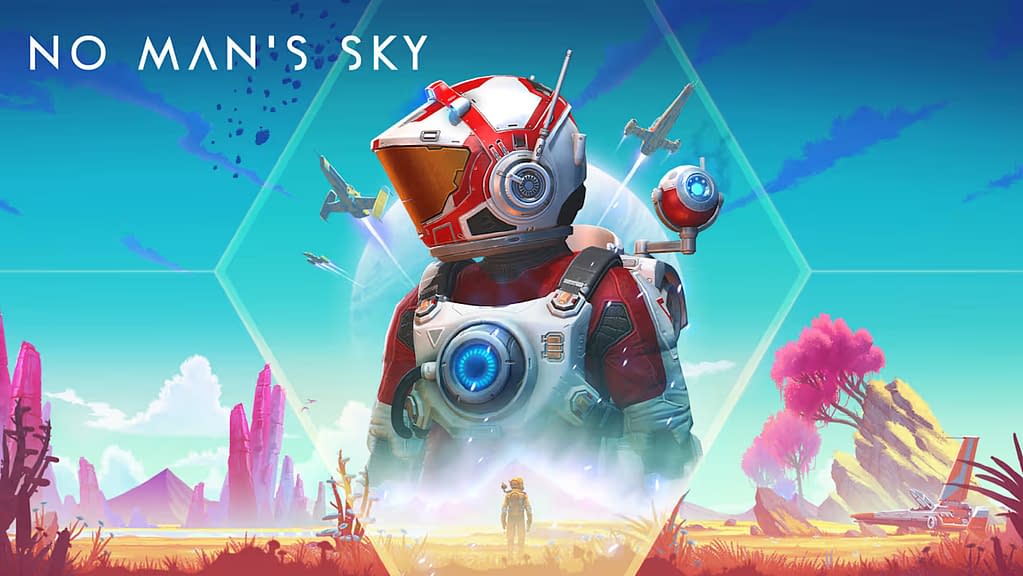
Post-launch Success Case Study: No Man’s Sky (Hello Games)
Launched in 2016 to mixed reviews, No Man’s Sky was transformed into a beloved, long-lasting title through relentless, free content updates. Its vast, procedurally generated universe offered near-infinite variety. Hello Games focused on systemic depth, transparent updates, and free expansions – prioritizing fun in-game and trust over hype.
They built goodwill by offering most updates for free, rebuilding player trust with transparent communication and detailed patch notes. Their LiveOps strategy alternated between large expansions and seasonal expeditions that kept players engaged regularly.
Conclusion: A Game’s Post-launch Journey & Beyond
Post-launch is where games prove their staying power. By combining stability, LiveOps, retention tactics, growth strategies, and robust community engagement, developers can transform a launch into a legacy. Titles that thrive long-term share one thing in common – they evolve with their players through consistent updates, fair monetization, and community-driven iteration.
Similarly, Algoryte Crown of Khosrow’s (available to play on Google Play & App Store) post-launch approach emphasizes stability and support as a foundation, followed by strategic LiveOps and community building to sustain engagement. All in all, the innovation of procedurally generated systems, strong design in games, and the success of virtual reality experiences across different types of games all prove one point – post-launch success depends on evolving with players while maintaining core fun in games.
FAQs
1. What are the most important steps in post-launch game development?
The key steps are stability and support, LiveOps, retention strategies, marketing and user acquisition, monetization optimization, community management, analytics, and planning expansions.
2. Why is LiveOps so critical after launch?
LiveOps keeps the game fresh with events, content updates, and real-time balancing. It encourages repeat play, helps prevent churn, and makes the game feel alive.
3. How do you measure post-launch success?
Success is tracked through metrics like retention (Day 3, Day 7, Day 30), daily active users (DAU), revenue metrics (ARPU, LTV, CPI, CPM), and community growth.
4. How do communities affect post-launch performance?
Strong communities on Discord, Reddit, or in-game guilds foster loyalty, provide feedback loops, and create free marketing through user-generated content.
5. What’s the role of a long-term roadmap in post-launch development?
A roadmap aligns vision and resources, guides major expansions, anticipates risks, and ensures the game evolves sustainably across platforms and audiences.