


Overview
- The game development process is a layered journey starting with validating a commercially viable idea and selecting the right game genre, followed by detailed game design, art creation, coding, testing, and marketing.
- Each stage – from unique concept creation and prototyping to rigorous testing and strategic community building – shapes both player experience and business success. A well-prepared game design document ensures that ideas become actionable and aligned across teams, while decisions like 2D vs. 3D have a lasting impact on costs and player immersion.
Introduction
The game development process is a multidisciplinary, conjoined process that blends creativity, storytelling, game design, and technology. Whether indie or AAA, hypercasual or RTS, mastering this process is critical to turning ideas into successful launches. This guide focuses on the pre-launch phase, illustrating it through three games: Innersloth’s Among Us (hypercasual party), Nintendo’s Breath of the Wild (open-world adventure), and Algoryte’s Crown of Khosrow (RTS and simulation).
Step 1: Market Research & Commercial Viability
Game development isn’t just about passion and creative expression. It’s a business that involves significant financial, technological, and intellectual resources. Success hinges on strong ROI, so assess whether your idea is commercially viable before development:
- Market & Competitor Research: Identify your target audience, as their wishlists, downloads, and ongoing engagement are the primary drivers of your revenue. Next, analyze competitors, market trends, and market gaps to align your game’s development, monetization, and marketing strategies accordingly.
- Resources: Assess whether you have sufficient financial, technical, and creative resources to develop the game you have planned based on your research.
In terms of understanding market and commercial success:
- Among Us tapped the rising demand for accessible, social multiplayer games.
- Breath of the Wild satisfied the appetite for expansive, innovative open worlds.
- Crown of Khosrow filled a niche in the historically rich RTS game genre.
Step 2: Game Genre
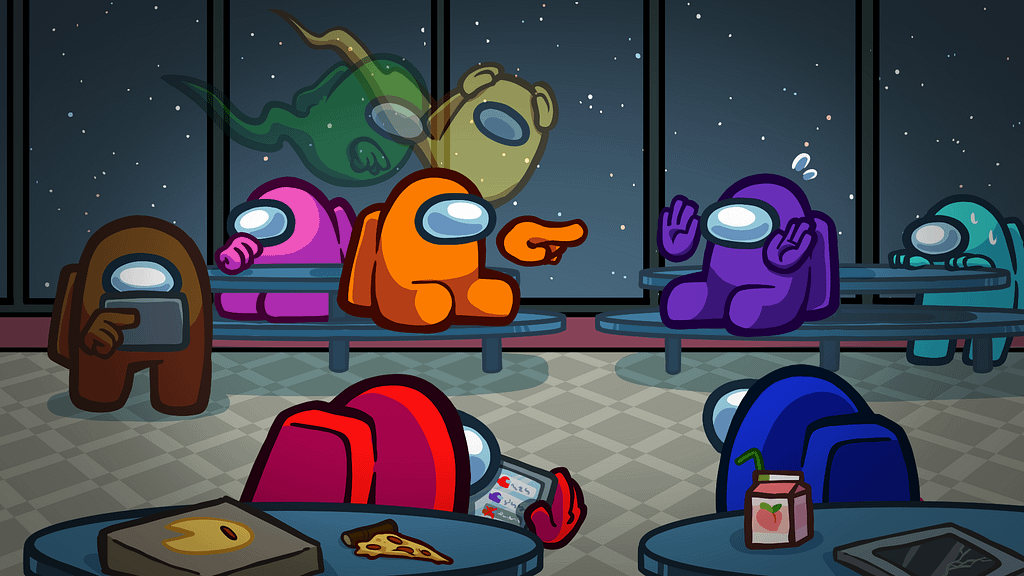
Choosing the right game genre is critical. Some game genres demand more effort, time, and financial investment but are easier to market, while others are simpler to develop but face tougher marketing challenges due to fierce competition. Different game types & genres bring varied design demands, marketing obstacles, and monetization approaches.
Considering the game genres and their respective challenges:
- Among Us was comparatively easy to develop (hypercasual party) but highly competitive, so smart social features were crucial.
- Breath of the Wild required heavy investment in an open-world game design innovation.
- Crown of Khosrow is a complex RTS needing deep strategy and targeted marketing.
Step 3: Conceptualization & Ideation
The next critical step is to develop your game’s core concept, including its setting, gameplay style, and overall theme. Add a strong USP in terms of a distinctive storyline, innovative game design, or an unexpected game genre fusion that helps your game stand out in a saturated market across all game types & genres.
Concerning the ideas:
- Among Us’s social deception with simple game mechanics made it viral.
- Breath of the Wild’s freedom and exploration redefined its game genre.
- Crown of Khosrow’s historical strategy and simulation appealed to niche players.
Step 4: Game Design
If game genre and concept are the “what,” then game design is the “how.” The game design document (GDD) is your roadmap for everything related to the game’s pre-production, development, and post-production. The game design is divided into creative and technical aspects:
Creative Design
- Story Outline: A summary that captures the narrative arc and key plot points driving the game’s experience.
- Mood Boards & Concept Art: Visuals and art references that define the game’s aesthetic and atmosphere.
- Player Experience: Prioritizing emotions like excitement, tension, or mastery.
- Progression Systems: Leveling up, rewards, or skill trees that motivate players.
- Game Mechanics: The fundamental rules and interactions that govern gameplay.
- Game Loops: Core repetitive cycles that drive player engagement and game flow.
- Gameplay: Defining how players engage with the game world and ensuring the experience is engaging, balanced, and enjoyable across single-player and multiplayer modes.
- First-time user experience (FTUE): Teaching players game mechanics quickly without overwhelming them.
- Regional Localization: Adapting game content to suit different languages and cultural contexts.
- Larger Scope & Vision: The long-term goals and expansion possibilities beyond the current game version.
Technical Design
- Video Game Platforms: Deciding which devices your game will support, such as PC, consoles, or mobile, to ensure compatibility and reach your target audience effectively.
- Game Development Engines: Choosing Unity engine, Unreal, or Godot, whichever best matches your project’s technical needs, visual goals, and development resources.
- Player Modes: Defining how players will experience your game, whether through single-player campaigns, cooperative play, or competitive multiplayer modes, shaping the overall design and technical requirements.
Regarding the game design,
- Among Us focuses on simple, social game mechanics that encourage interaction and suspicion, making it easy to pick up but hard to put down.
- Breath of the Wild emphasizes player freedom and exploration, with immersive systems that invite creativity and discovery in an expansive world.
- Crown of Khosrow’s design blends strategic depth with historical simulation, delivering a rich tactical experience tailored to dedicated strategy players.
Step 5: Game Art, Writing & Sound
Creating art assets, writing, and music are essential for immersing players in your game world. Choosing between 2D vs. 3D affects both artistic style and budget, while writing and sound design enhance storytelling and emotional impact.
- Developing Assets: It involves creating 2D or 3D game assets, such as game characters, environments, textures, and animations.
- Coding: Once assets are ready or in progress, programmers implement the game mechanics, integrate assets, and build the gameplay systems.
- Writing & Music: Writing (dialogue, scripts, and tooltips) and music composition usually happen alongside or slightly after the coding phase, ensuring narrative and audio elements align well with gameplay.
About game art, tooltips, and audio:
- Among Us is known for its colorful 2D art, quirky sounds, and minimal writing.
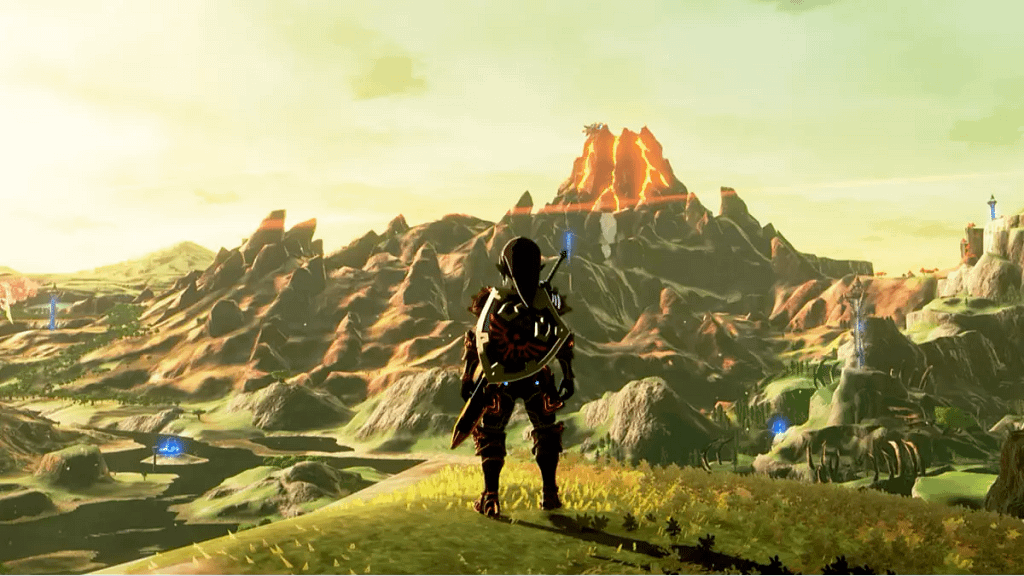
- Breath of the Wild’s stunning 3D visuals, dynamic music, and subtle narrative create an immersive world full of wonder and discovery.
- Crown of Khosrow’s detailed 3D units, strategic UI writing, and immersive music bring depth to its real-time strategy gameplay.
Step 6: Development & Prototyping
During game development and coding, programmers build the game’s mechanics, features, and systems by adding logic and ensuring that controls, movements, and rules function smoothly. Popular game engines like Unity Engine, Unreal, and Godot provide powerful tools to support this process, each offering unique strengths:
- Unity engine is known for its versatility for 2D vs. 3D development and its extensive asset store.
- Unreal excels in delivering high-end graphics for AAA games.
- Godot appeals to indie game studios with its open-source flexibility and rapid development cycle.
Prototyping plays an essential role early on, allowing developers to create simplified versions of core gameplay to identify potential issues, gather feedback, and iterate quickly before committing significant time and resources to full-scale production.
Step 7: Testing – QA, Playtesting, Usability
No game succeeds without rigorous testing. Game testing ensures stability, accessibility, and fun factor across different devices and platforms.
- Quality Assurance (QA): Identifies bugs, performance issues, and platform-specific crashes.
- Playtesting Feedback: Measures fun, frustration points, and completion times.
- Usability Testing: Ensures that menus, tutorials, and HUDs are intuitive.
In terms of developing and testing:
- Among Us leveraged Unity engine’s flexibility and rapidly prototyped its social deduction game mechanics, while rigorous QA and playtesting refined multiplayer stability and user experience.
- Breath of the Wild used powerful game engines, and its development focused on perfecting expansive open-world game mechanics and visuals, with extensive testing ensuring balanced gameplay.
- Crown of Khosrow’s early prototypes using open-source tools helped fine-tune strategic systems, while comprehensive QA and usability testing improved control, responsiveness, and interface clarity.
Step 8: Pre-Launch Marketing & Community Building
Developing a game is only half the battle; getting players to notice it is the other half. Pre-launch marketing strategies are critical:
- Teasers, Trailers & Content Marketing: Create engaging videos and shareable content to build excitement and awareness ahead of launch.
- Community Building: Foster early advocates by actively engaging players on platforms like Discord, Reddit, and social media.
- Playable Demos, Pre-registrations & Early Access: Offer hands-on experiences to generate feedback and ignite player interest before release.
- Wishlist Campaigns: Use wishlist features on platforms like Steam to boost visibility and track eager potential buyers.
- Ambassadorships, Influencers, Streamers & Press Coverage: Leverage trusted voices and media to amplify reach, credibility, and hype around your game.
For pre-launch marketing:
- Among Us grew viral pre-launch buzz through Twitch streamers and social media engagement, sparking a passionate community early on.
- Breath of the Wild’s trailers, demos, and major event showcases created massive anticipation, building a strong pre-launch fanbase across platforms.
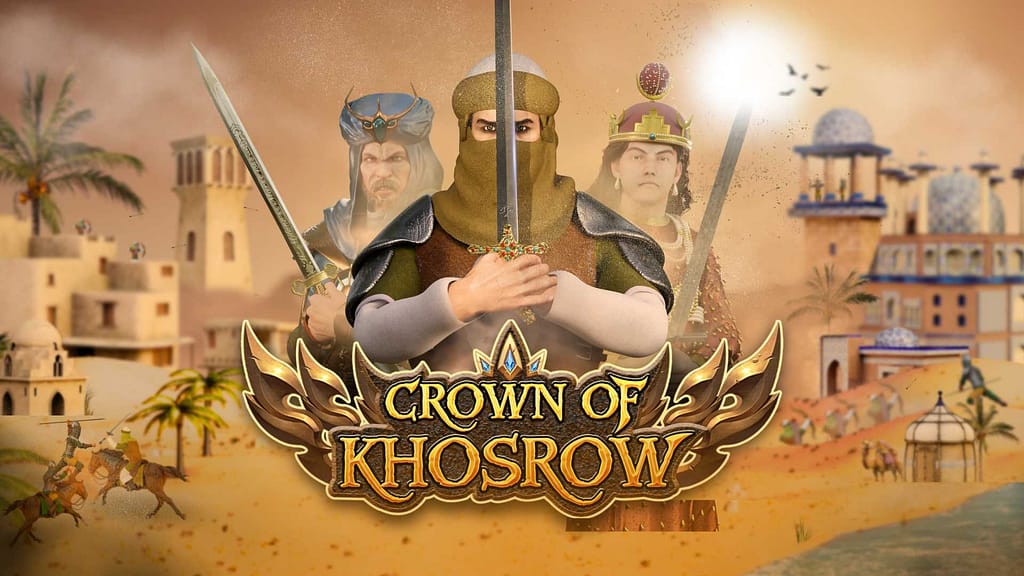
- For Crown of Khosrow (available to play on Google Play & App Store), Algoryte fostered an engaged RTS community before launch by offering early access and active discussions on different platforms.
Conclusion: A Journey From Idea to Launch
Every stage of the game development process – from market validation and game genre choice to game design, prototyping, and marketing – lays the foundation for long-term success. The game design document keeps teams aligned, while careful use of tools like the Unity engine ensures technical efficiency. With strong decisions around 2D vs. 3D visuals and awareness of varied game types & genres, developers can shape games that connect with players.
FAQs
1. What are the main stages of game development?
The primary stages include market research, concept ideation, game design, art style (with 2D vs. 3D trade-offs), sound creation, development, prototyping, rigorous testing, pre-launch marketing, and post-launch live operations.
2. How important is game genre selection in game development?
Choosing the right game genre impacts development complexity, marketing strategy, and monetization models, making it crucial to align genre choice with market research and target audience preferences.
3. What do you start with – game story or game mechanics?
Start with game mechanics first. They define how the game plays and provide a solid foundation. Once gameplay is solid, develop the story to enhance and support the game mechanics. This ensures the narrative fits gameplay smoothly, not the other way around.
4. What types of testing are essential to ensure a quality game?
Key testing types include quality assurance to catch bugs and crashes, playtesting to evaluate player enjoyment and challenge, and usability testing to confirm intuitive menus and tutorials. Together, they ensure the game is stable, accessible, and fun across different platforms.
5. What’s the role of Reddit, Discord, and other similar communities in modern-day marketing?
Discord, Reddit, and other communities play a key role in game marketing by building engaged, loyal groups of players. They enable real-time conversations, feedback, and content sharing, creating a sense of belonging and hype. These platforms amplify reach authentically, helping games gain visibility and maintain player interest before and after launch.