

Game development is no longer just about visuals or storytelling—it’s about designing experiences that pull players in and keep them engaged. At the heart of every successful game lies a smart combination of core game mechanics and advanced game mechanics. Together, they shape how a game feels, how players interact, and how motivated they remain to continue playing.
At Algoryte, we help studios and creators build games that stay memorable, enjoyable, and replayable by designing mechanics that truly resonate with players.
What Are Core Game Mechanics?
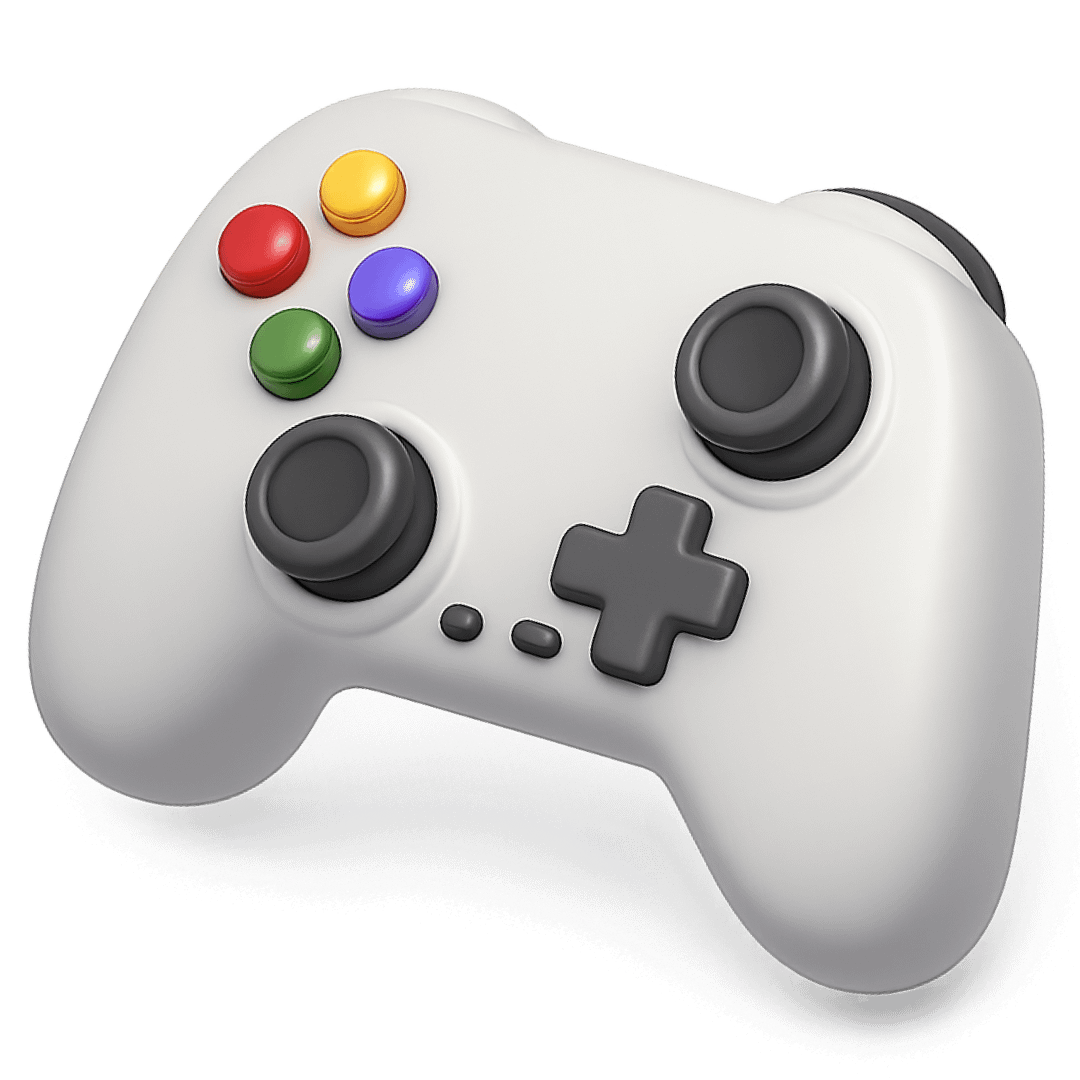
Core game mechanics are the fundamental actions players can perform in a game. These mechanics define the “gameplay loop” and determine how players interact with the game world.
Common examples of core game mechanics include:
- Movement (running, jumping, flying, swimming)
- Combat basics (punch, shoot, block)
- Collecting items
- Resource gathering
- Building or crafting
- Puzzle solving
These mechanics must feel intuitive, fluid, and satisfying. If the core gameplay does not feel good, no amount of advanced mechanics can fix the experience.
Why Core Mechanics Matter for Engagement
A strong core mechanic gives players an immediate sense of control and enjoyment. It creates that “fun factor” that makes a game addictive within minutes.
Great games like Super Mario, Minecraft, and Fortnite all have incredibly polished core mechanics. Whether it’s Mario’s jump physics or Minecraft’s block-breaking loop, the core interaction is enjoyable on its own.
Understanding Advanced Game Mechanics
While core mechanics are about basic actions, advanced game mechanics introduce layers of complexity, strategy, and depth. They keep the game engaging over longer sessions and encourage mastery.
Examples include:
- Skill trees and progression systems
- Crafting upgrades and equipment customization
- Dynamic AI behavior
- Environmental interactions
- Combo systems
- Story-based decision-making
- Multiplayer ranking and matchmaking
These systems elevate a game from “simple fun” to “deep and meaningful gameplay.”
Why Advanced Mechanics Keep Players Coming Back
Advanced mechanics increase player engagement by offering:
- Long-term goals
- Personalization and customization
- Strategic depth
- Higher replay value
- A sense of progression and achievement
When players feel they are constantly improving, unlocking new content, or mastering new systems, they stay engaged longer.
How Core & Advanced Mechanics Work Together
To create a powerful gameplay loop, developers must blend both mechanic types effectively.
Here’s how they complement each other:
1. Core Mechanics Create Instant Fun
Your core mechanic should feel satisfying even without added layers. If jumping, shooting, or movement isn’t fun, the game falls apart early.
2. Advanced Mechanics Add Long-Term Satisfaction
After players fall in love with the core mechanic, advanced systems keep them invested. A game like Hades is a perfect example: tight core combat is paired with deep progression and narrative systems.
3. They Build a Consistent Player Journey
Players start by learning simple mechanics, gradually mastering more complex ones. This natural skill growth builds confidence and emotional investment.
4. They Increase Replayability
When players have multiple strategic options, skills to master, or unlockable content, they return again and again
Design Considerations for Developers
Creating effective mechanics requires balancing simplicity with depth. Here are key principles Algoryte applies in development:
✔ Polish Core Mechanics First
No advanced mechanic can compensate for a weak foundation. Prioritize responsiveness, control feel, and smooth animations.
✔ Add Depth Without Overwhelming Players
Introduce advanced mechanics gradually. Tutorials, difficulty curves, and progression pacing must be smooth.
✔ Maintain Player Agency
Players love making meaningful decisions—whether through upgrades, strategies, or choices that shape outcomes.
✔ Use Feedback Loops
Reward players through:
- Visual effects
- Audio cues
- XP bars
- Achievements
- Loot systems
These enhancements reinforce core actions, making every mechanic more engaging.
How Algoryte Helps Studios Build Better Game Mechanics
At Algoryte, we support studios with:
- Game design consultation
- Mechanic modeling and prototyping
- Playtesting and feedback analysis
- UX-focused game interaction design
- System balancing and optimization
Our goal is to help developers create games that feel great from the first minute and stay compelling for hundreds of hours.
Final Thoughts
Great games are built on mechanics—not just graphics or story. By combining strong core game mechanics with thoughtful advanced game mechanics, developers create experiences that feel intuitive, rewarding, and unforgettable.
If you’re ready to design mechanics that elevate your game’s success, Algoryte is here to help.