





Overview
- Inclusivity means representing diverse people, cultures, and experiences authentically in game characters, narratives, and game worlds. It ensures players see themselves reflected and respected in the medium they love.
- Inclusive games create stronger emotional connections, attract a wider global audience, and offer more meaningful experiences. By embracing diverse identities in gameplay, art, and story design, players feel valued and empowered. For developers, inclusivity fosters creativity, builds community trust, and reduces reputational risks.
Introduction
Inclusivity has evolved from a moral consideration into a core game design principle that shapes how modern games are created, marketed, and experienced. As games reach billions of players worldwide, developers have a responsibility and an opportunity to ensure their worlds reflect the diversity of real people.
Inclusive game design does more than just avoid stereotypes; it builds richer narratives, fosters global engagement, breaks cultural barriers, and expands audience reach. By embedding authentic representation throughout game characters, worlds, narratives, and systems, developers create games that feel welcoming, relatable, and meaningful to players from all backgrounds.
Diverse Representation in Characters of Video Games
Characters of video games have historically centered on narrow demographic defaults – often young, white, male, and able-bodied – leaving many players unrepresented. Modern development acknowledges that diverse game characters bring richer stories and broader appeal.
Racial & Ethnic Diversity
It means representing different backgrounds respectfully, informed by cultural consultants, diverse voice actors, and writers. Even procedurally generated systems must avoid algorithmic biases that overrepresent certain demographics while sidelining others.
Gender Representation
It goes beyond adding female characters; it includes portraying gender identities authentically and designing game characters whose identities feel natural rather than tokenistic. Customization systems should offer varied body types, facial features, and expressions so players can shape avatars that reflect their identity.
Disability Representation
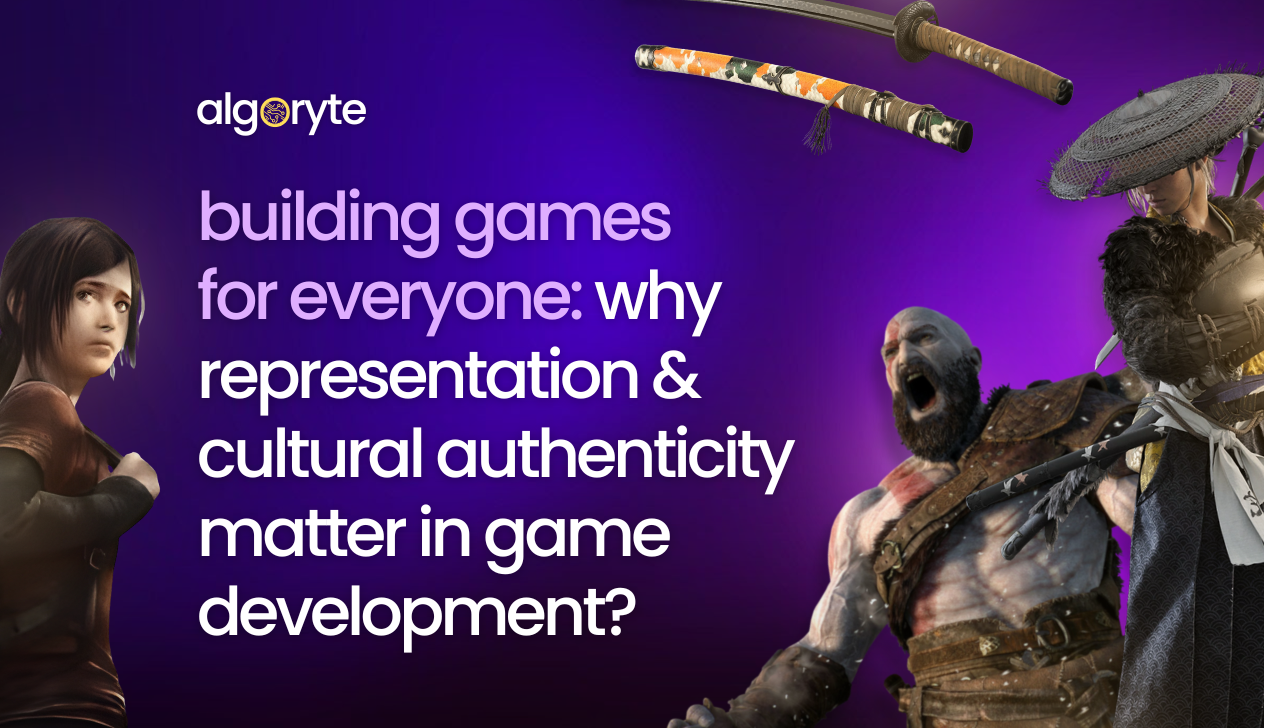
It should depict characters with disabilities as multifaceted individuals, not defined solely by their disability. Games like The Last of Us Part II and God of War (2018) demonstrate how disability can be integrated respectfully through narrative and game mechanics.
Cultural Authenticity & Sensitivity
Games exploring specific cultures must balance creative goals with deep respect for the communities being represented. Authenticity requires meaningful research, collaboration with cultural experts, and thoughtful game design choices that avoid turning cultures into props, stereotypes, or aesthetic set dressing.
Ghost of Yotei is one of the games where studios worked to represent culture responsibly. Set around Mount Yotei in Hokkaido, the game blends Ainu motifs with broader Japanese folklore. The developers collaborated with Ainu cultural groups, studied traditional attire and symbols, and respected the tribe’s customs and storytelling traditions. Instead of treating Ainu culture as an exotic visual style, the team incorporated its themes thoughtfully – using accurate ritual elements, grounded worldbuilding, and authentic narrative framing. Creative liberties were still taken for gameplay, but they were built upon a foundation of cultural consultation and sensitivity.
This shows that respectful development not only avoids harm but creates richer worlds, more compelling narratives, and deeper emotional resonance. Conversely, games that portray cultures superficially or inaccurately risk reinforcing harmful stereotypes, alienating players, and damaging a studio’s reputation.
Cultural authenticity recognizes that representation carries responsibility, especially when portraying communities that have been historically marginalized or misrepresented in media. When developers approach cultural worlds with curiosity, humility, and collaboration, they create experiences that enrich both the game and the players who explore it.
Inclusive Storytelling & Narrative Design
Inclusive narratives broaden perspective and strengthen emotional depth. When a game avoids stereotypes and harmful tropes, its storytelling becomes more nuanced and relatable.
Developers should be conscious of one-dimensional portrayals of foreign cultures. A thoughtful game design document identifies potential narrative risks and guides writers toward respectful, multi-dimensional depictions.
Multiple viewpoints, playable protagonists from varied backgrounds, and customizable identity options help ensure players can connect with the experience regardless of who they are. Whether through fixed game characters or open-ended customization, the narrative should acknowledge that players bring different lived experiences to the story.
Conclusion
Inclusivity is not a trend – it is foundational to the future of game development. As the industry grows more global and diverse, inclusive game design becomes essential for crafting meaningful experiences and building lasting player communities. Games shape culture, influence perception, and foster connection. When developers commit to authenticity, sensitivity, and diversity, they create worlds where every player feels seen, and that leads to better games for everyone.
FAQs
1. Why is inclusivity important in game development?
Inclusivity ensures players from different backgrounds feel represented and respected. It leads to richer stories, stronger emotional engagement, and broader global reach while helping developers avoid stereotypes and harmful tropes.
2. Does inclusivity mean changing the game’s core vision?
No. Inclusivity enhances the vision by encouraging developers to consider diverse perspectives and avoid unintentional bias. It strengthens storytelling and broadens creative possibilities without compromising the game’s identity.
3. What role does a diverse development team play?
A diverse team naturally brings varied experiences, cultural knowledge, and perspectives that help prevent blind spots. It leads to more authentic game characters, worlds, and narratives that resonate with global audiences.
4. How can developers avoid stereotypes or cultural misrepresentation?
Through thorough research, cultural consultants, sensitivity readers, and iterative feedback from communities represented in the game. Authenticity should be built into the early stages of the design process.
5. Do players actually care about inclusivity?
Yes, players consistently respond positively to authentic representation. Inclusive games often receive praise for emotional depth, relatable game characters, and storytelling richness. When players feel seen, they form stronger connections with the game and its world.